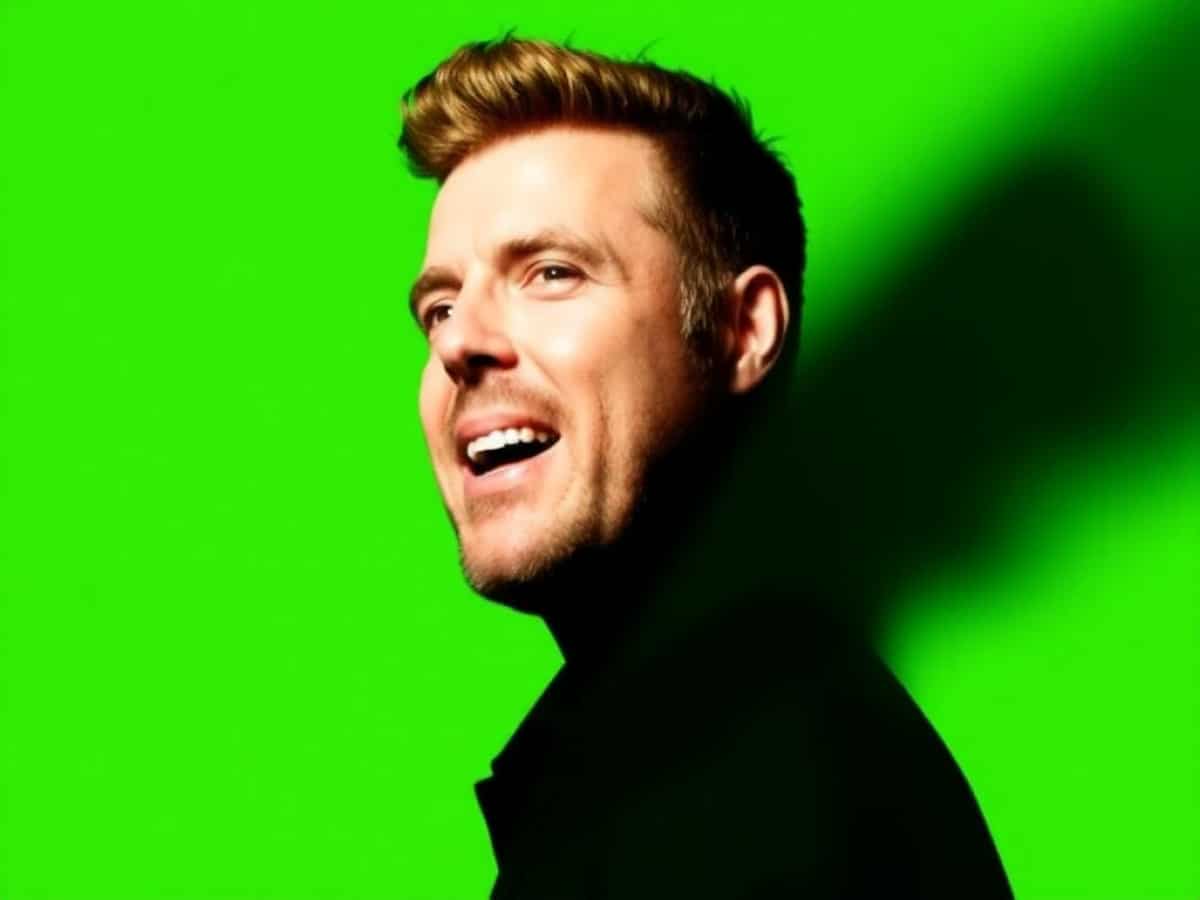
The release of Robbie Williams’s 13th studio album has been anything but straightforward. Initially revealed in May 2025, it was scheduled for an October release to coincide with the renewed interest in the 90s, spurred by an Oasis band reunion. Over the summer, Williams was busy with promotional activities, which included setting up mock Britpop-themed blue plaques across London and holding a press event at the Groucho Club. He also organized a concert at the renowned Camden spot, Dingwalls, where he played his entire new album and his 1997 solo debut, Life Thru a Lens.
Williams’ choice to perform his entire debut album was a risky move, considering that Life Thru a Lens almost ended his solo career at its start. Back then, potential hits like Angels and Let Me Entertain You were initially overlooked, and Williams struggled to find his footing in the Britpop scene. During his performance at Dingwalls, he unexpectedly announced that the album’s release would be pushed to mid-February, openly stating his reluctance to clash with Taylor Swift’s The Life of a Showgirl. However, the album unexpectedly dropped in mid-January, presumably to take advantage of a quieter week in the music charts, boosting his chances to surpass the Beatles’ record for the most UK No 1 albums.
The album itself is quite the enigma. Williams has described it as the album he wished to create after his departure from Take That and as a tribute to a “golden era of British music.” Yet, it’s curious why he’d revisit a period marked by personal struggles and public ridicule, a time before he knew he’d become one of Britain’s most iconic artists. Perhaps it serves as a form of closure, although one might argue that he achieved that with Angels, a track that became one of the most played on UK radio and shifted public taste from alternative rock to more mainstream pop, as noted by John Harris in his book on Britpop, The Last Party.
The album’s approach seems to reflect Williams’ unresolved issues with the Britpop genre, revisiting it with newfound confidence from a career with 75 million records sold. He collaborates with Black Sabbath guitarist Tony Iommi on the opening track, Rocket. While not all attempts are successful—the track Cocky is reminiscent of a less favorable Oasis phase—the album shines when it captures the essence of its influences, such as in All My Life and Spies. These tracks blend nostalgia with fresh melodies that go beyond mere imitation, making for a truly enjoyable listen.
As the album progresses, it presents some unexpected turns. There’s a synth-pop track titled Morrissey, a humorous and slightly homoerotic ode to the former Smiths frontman, co-written with Gary Barlow. The song It’s OK Until the Drugs Stop Working harks back to the melodic style of late 60s British bubblegum pop, a surprising choice for a Britpop-themed album. Another standout track is Human, a poignant electronic ballad about artificial intelligence, featuring Mexican pop duo Jesse & Joy and Coldplay’s Chris Martin. While it’s arguably the album’s best track, its connection to the Britpop theme is tenuous at best.
Though the album might stray from its intended concept, it’s consistently captivating. What it lacks, however, is a track with the monumental impact of Angels or Let Me Entertain You, leaving it in a somewhat peculiar position. It might indeed be the album Williams wished he had made post-Take That, yet he’s probably fortunate he didn’t at the time.
This week Alexis listened to
Daphni – Talk to Me
Dan Snaith returns to his dancefloor-focused alias, effortlessly conjures up hypnotic, tripped-out 3am mood. Impressively cat-heavy video, too.
Similar Posts:
- Flea’s Jazz Triumph: Red Hot Chili Peppers’ Star Stuns with Trumpet Skills in ‘Honora’ Review
- Anoushka Shankar Reveals Playlist Secrets: From Norah Jones to Massive Attack!
- Sensational Saxophonist Aaron Shaw: Discover His Must-Hear Tracks!
- Harry Styles Drops New Album: “Kiss All The Time, Disco Occasionally”
- Richard Ashcroft Spills on Verve, New Music, and Potential Oasis Reunion: Exclusive Interview

Fatima Clarke is a seasoned health reporter who bridges medical science with human stories. She writes with compassion, precision, and a drive to inform.