ONBOARD LIFTBOAT ROBERT, North Atlantic (AP) — Eons ago, a frozen expanse transitioned into a watery realm as ice receded and sea levels climbed near what is today the northeastern coast of the United States. Nearly half a century past, a vessel operated by the U.S. government embarked on a quest off this coast to probe the ocean floor for minerals and oil, only to stumble upon an unexpected resource — fresh water beneath the salty ocean.
Indeed, this water discovery was quite a surprise found deep beneath the ocean’s surface.
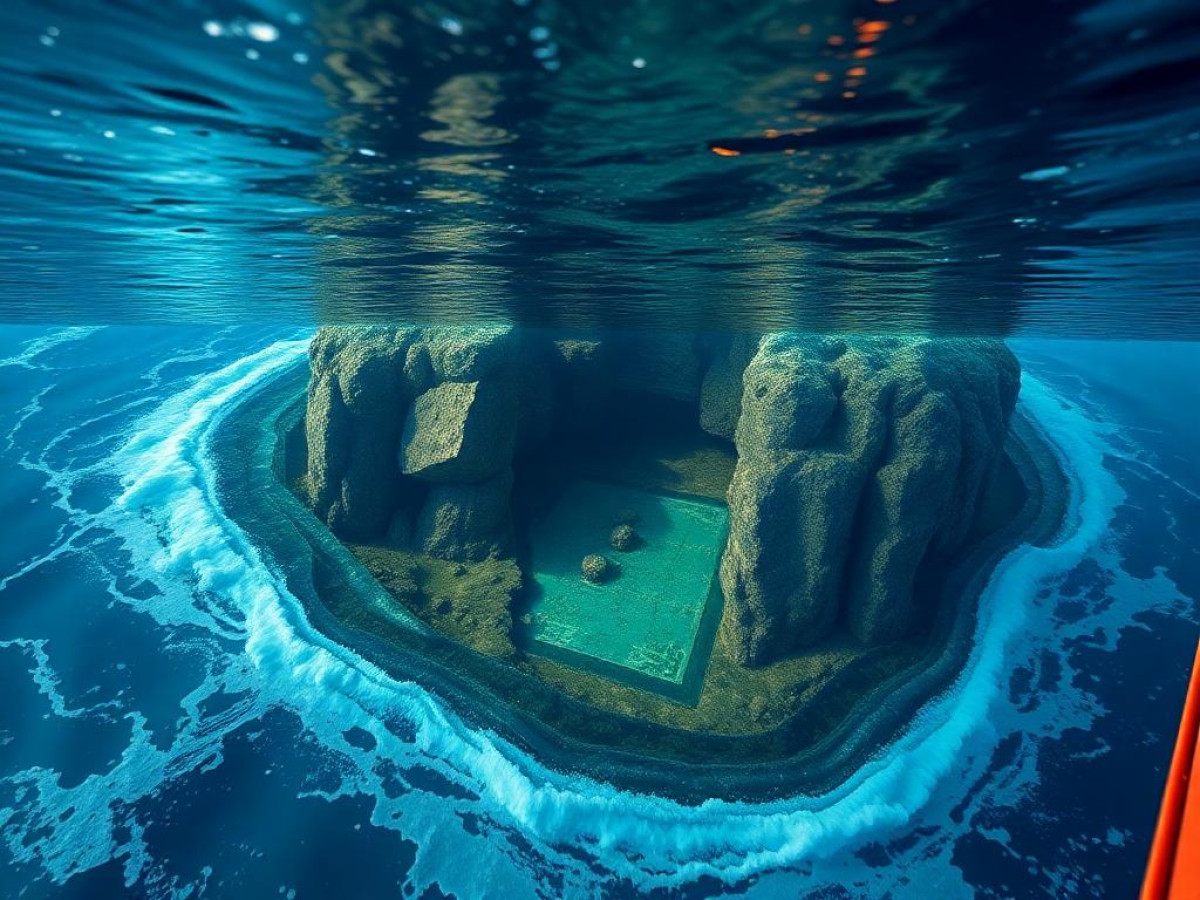
This season marked a pioneering international endeavor. Named Expedition 501, researchers ventured off the shores of Cape Cod to drill and extract fresh water buried under the saltwater. The operation successfully gathered thousands of samples from a vast aquifer believed to stretch from New Jersey up to Maine.
Brandon Dugan, co-chief scientist of the expedition and a geophysicist and hydrologist at the Colorado School of Mines, emphasized the urgency of discovering new water sources. Addressing Associated Press journalists during a 12-hour visit to the drilling platform, Dugan highlighted that the search for fresh water is taking place in unlikely oceanic locations.
The expedition harvested nearly 50,000 liters (13,209 gallons) of this water, now subject to meticulous analysis to unravel its origins—whether from ancient glaciers, terrestrial groundwater systems, or a mix of both.
The implications are vast, yet so are the challenges of extracting the water and resolving legal and ecological issues about its ownership, use, and extraction methods. Realizing the use of this water on a large scale could take years, if it proves at all feasible.
The Ancient Mariner’s Premonition
The urgency to explore underwater aquifers is driven by a global surge in fresh water demand, projected by the U.N. to intensify within five years. Climate change-induced sea-level rise is contaminating coastal freshwater sources, while burgeoning tech facilities are consuming vast amounts of water.
The haunting lines from “The Rime of the Ancient Mariner,” “Water, water, everywhere, nor any drop to drink,” serve as a stark reminder of the preciousness of fresh water, both at sea and on land.
In Virginia, data centers draw a significant fraction of the state’s power, a demand expected to double in five years. Each data center can use as much water as 1,000 homes. Places like Cape Town have faced severe water crises, and anecdotal evidence suggests potential undersea aquifers near every continent.
Expedition 501, funded by a $25 million grant from the U.S. National Science Foundation and European Consortium for Ocean Research Drilling, investigated whether the undersea aquifer could potentially support a major city’s water needs for centuries. Initial findings indicated a larger water supply than expected, found at various depths below the seafloor.
Drilling for a Sustainable Future
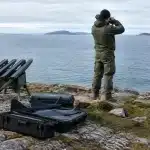
The operations took place aboard the Liftboat Robert, a vessel equipped with huge pillars that anchor it above the seabed. Typically used for offshore oil and renewable energy projects, this mission represented a novel endeavor to tap into sub-sea fresh water sources.
Jez Everest, the project manager from the British Geological Survey, noted that while the existence of such water has been known, it had never been the direct focus of any prior research project.
Previous research in 2015 hinted at the presence of a large aquifer system, spurring further exploration. Historical drilling by the U.S. Geological Survey and subsequent discoveries of fresh or mildly saline water set the stage for modern-day explorations like Expedition 501.
An Early Breakthrough
Shortly after commencing drilling on May 19, the team experienced a “eureka moment” when they detected water with salinity levels significantly below typical ocean water, suggesting a terrestrial link. As drilling continued, samples showed even lower salinity levels, confirming the presence of fresh water.
Proceed with Caution
In the upcoming months, scientists will study the water’s microbiological and chemical composition to determine its safety for consumption and other uses. The exploration of this new environment could provide insights into underground ecosystems and potential health impacts.
Tracing Water Back in Time
Dating techniques will help ascertain whether the water is ancient or still being replenished from terrestrial sources, crucial for assessing its sustainability as a resource.
These findings will raise complex questions about the management and ethical extraction of undersea water resources, balancing ecological concerns with human needs.
Dugan highlighted the potential of these aquifers in meeting emergency water needs during droughts or coastal flooding, emphasizing the novelty and long-term nature of using such ancient water sources.
A Journey of Discovery
Accessing the Liftboat Robert involved lengthy trips from Massachusetts, with crew and supplies rotated every ten days. The platform buzzed with activity as scientists processed the unique samples, which will undergo further analysis in Germany, aiming to reveal the age and origins of the water.
The mission echoed another theme from Coleridge’s poem, suggesting that much of the natural world remains hidden and full of mystery.
___
Woodward reported from Seekonk, Massachusetts.
___
The Associated Press receives support from the Walton Family Foundation for coverage of water and environmental policy. The AP is solely responsible for all content. For all of AP’s environmental coverage, visit
Similar Posts:
- Discover Hidden Freshwater Reserves: Secrets of the North Atlantic Seabed Unveiled!
- Megalodon’s Predecessor: Monstrous Ancient Shark Dominated Australian Waters
- Maya Train Threatens Hidden Underground World in Mexico’s Yucatan: Discover the Secrets!
- Mystery of the Ocean Unraveled: Listen to the Oldest Known Whale Recording!
- Lawmakers Battle Trump: $386M Ocean Observatory Project at Risk of Dismantling

Morgan Ellis is an investigative journalist passionate about environmental policy and corporate accountability. With a background in climate science and years of reporting for nonprofit media, Morgan brings depth, clarity, and purpose to every story.