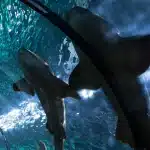
Off the coast of California’s Channel Islands, the early morning light illuminates kelp forests where an array of marine life, including fish and sea lions, flourish. This thriving ecosystem is a testament to over two decades of conservation efforts within one of the state’s earliest marine reserves.
Conversely, the future looks uncertain for the marine life within the expansive Pacific Remote Islands Marine National Monument. Here, approximately 500,000 square miles of ocean that were once protected are now reopened to commercial fishing due to a significant reduction in federal oceanic safeguards.
In contrast, California could be moving towards greater marine conservation. The state is currently reviewing its network of marine protected areas for the first time in ten years. This process involves state officials, scientists, tribal leaders, and environmentalists who advocate not only for the continuation of current protections but also for their expansion.
Describing the importance of these marine reserves, Douglas McCauley, director of the Benioff Ocean Science Laboratory at the University of California, Santa Barbara, likens them to an “underwater Yellowstone”. He highlights their dual benefits of preserving biological heritage and supporting a thriving tourism sector that attracts visitors keen to experience its natural wonders.
California’s marine protected areas are increasingly popular among scuba divers and snorkelers, drawn by the biodiversity these zones support. Over time, these protected zones contribute to the recovery of fish populations, which also enhances nearby fishing areas, according to McCauley.
Established in 2003, California’s marine protection network comprises 124 distinct zones along the coastline. These include both no-take zones, where all forms of fishing are prohibited, and zones with restricted fishing. Covering about 16% of state waters, there are proposals to expand this by an additional 2%. The initiative, driven by the 1999 Marine Life Protection Act, aims to restore ecosystems degraded by overfishing and habitat destruction. The Channel Islands were among the initial areas to be protected, with around 20% of their surrounding waters now fully conserved.
However, the idea of expanding these protected areas has sparked controversy among some community members.
Diverse Opinions Among Fishermen
Blake Hermann, a fourth-generation commercial fisherman from Ventura County, has experienced fishing around the Channel Islands firsthand. While he supports the majority of the marine protected network, he believes that certain areas are overly restricted. Hermann has formally requested the state to allow limited fishing in three no-take zones, arguing that species like swordfish and tuna, which roam widely and briefly pass through these zones, gain minimal benefit from such restrictions.
Hermann advocates for a balanced approach, supporting protections where they make sense while also allowing some controlled fishing access.
Protection as a Form of Self-Preservation
Conversely, other experts emphasize the risks of weakening any part of the marine protected network, especially in the face of climate change and its impact on marine ecosystems. Sandy Aylesworth, director of the Pacific Initiative for the Natural Resources Defense Council, argues that enhancing protections by an additional 2% could help safeguard California’s marine environments against future challenges, thereby benefiting all ocean users, including both recreational and commercial fishers.
Final decisions on the expansion are expected to be announced early next year.
According to Craig Shuman, marine region manager at the California Department of Fish and Wildlife, marine protected areas are a contentious issue. He notes that while many fishermen are not necessarily seeking additional fishing grounds, they are concerned about losing access to their current spots.
Shuman emphasizes the challenge in balancing protection with access, particularly in a state with stringent fisheries management laws. He also points out that, overall, the data indicates the effectiveness of the MPA network in achieving its conservation goals.
Policy Changes Threaten Remote Marine Sanctuaries
An executive order by the Trump administration has lifted fishing restrictions around a remote Pacific island chain, undoing protections established by Presidents George W. Bush and Barack Obama. This decision, aimed at benefiting commercial fishing in Hawaii and American Samoa, has raised concerns among conservationists about potential damage to the diverse marine life in these waters.
Molly Morse, senior manager at the Benioff Ocean Science Laboratory, stresses the importance of state-level expansion of marine protections to counteract federal rollbacks. Back at sea within the protected waters off Anacapa Island, the vibrant marine activity continues. Amidst this, Douglas McCauley reflects on the coexistence of various marine stakeholders, from the bustling ports to the serene protected zones, all finding value in California’s diverse marine environment.
Similar Posts:
- Galapagos Crisis: Unique Wildlife Threatened by Rising Ocean Temperatures
- Fisherman Catches White Shark in Massachusetts: Daringly Removes Hook from Its Jaws
- African and Commonwealth Leaders Demand Fast Action: Key Ocean Treaty Must Be Implemented Now!
- San Diego Man Kicks Protected Sea Lion: Shocking Attack Caught on Video!
- Crisis in New England: Shrimp Fishery Shuts Down Indefinitely After Steep Decline

Morgan Ellis is an investigative journalist passionate about environmental policy and corporate accountability. With a background in climate science and years of reporting for nonprofit media, Morgan brings depth, clarity, and purpose to every story.