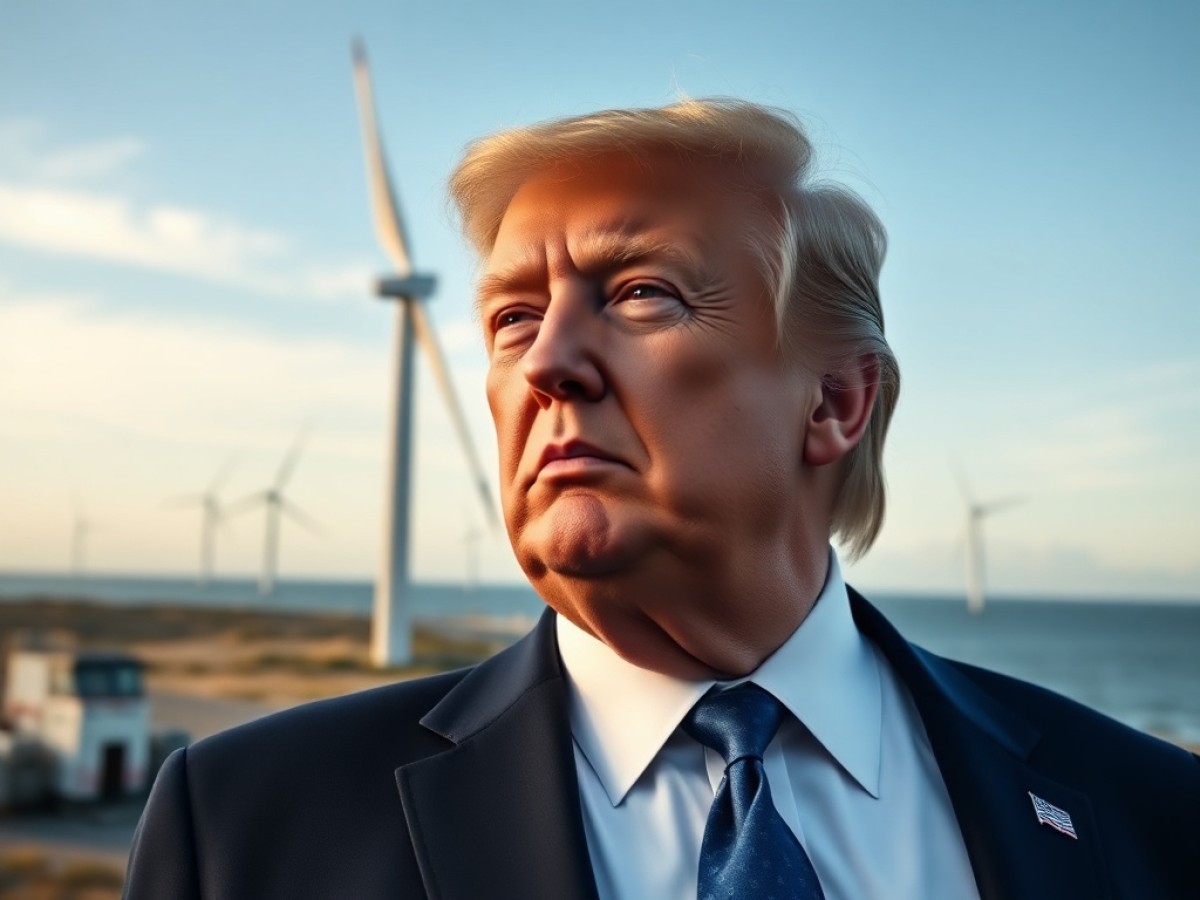
Trump Calls on National Security Concerns to Halt Offshore Wind Projects
In a recent statement, former President Donald Trump invoked national security reasons as his basis for advocating the cessation of offshore wind farm developments. Here is a detailed explanation of the situation.
Understanding Trump’s Position
Donald Trump has publicly criticized the progression of offshore wind projects, suggesting that their development could pose threats to the nation’s security. He argues that the installation and operation of these wind farms could interfere with maritime navigation and military operations, including training exercises that are vital for national defense. Trump’s stance reflects his broader skepticism of renewable energy projects which he has voiced consistently during and after his presidency.
The Implications of Stopping Offshore Wind Farms
If Trump’s call to halt these projects is heeded, there could be significant implications for the U.S. energy sector and environmental policy. Offshore wind farms are a critical component of the current administration’s strategy to reduce carbon emissions and combat climate change. They not only provide a substantial amount of renewable energy but also help in diversifying the energy supply, thus enhancing energy security and reducing dependency on fossil fuels.
Moreover, the development of these wind farms is seen as essential for economic growth in several coastal communities. They generate jobs, boost local economies, and are part of the broader move towards sustainable development. Halting their development could stifle these economic benefits and hinder progress towards environmental sustainability goals.
Examining the National Security Claim
The assertion that offshore wind farms jeopardize national security warrants scrutiny. While it is true that any large-scale infrastructure project in coastal areas needs to carefully consider maritime and military operations, the U.S. government typically conducts thorough assessments to mitigate such risks. These include environmental impact assessments and consultations with the Department of Defense to ensure that there are no significant adverse impacts on military activities.
In fact, there are examples of offshore wind projects that have been modified or relocated after consultations with the military to address such concerns. This demonstrates a precedent for balancing renewable energy development with national security needs.
Conclusion
The debate over offshore wind farms and national security is complex and involves weighing the potential benefits of renewable energy against legitimate concerns about military readiness and maritime safety. While national security must never be compromised, it is crucial to approach this issue with a balanced perspective, considering both the environmental imperatives and the strategic needs of the country. As the discussion unfolds, it will be important to base decisions on comprehensive analysis and factual evidence rather than on broad assertions. This will ensure that national interests in both security and sustainable development are maintained.
Similar Posts:
- Trump Blocks Offshore Wind Development: China and Other Nations Ramp Up Investments
- Trump Administration Secures More Offshore Wind Leases: 4 New Energy Projects Announced!
- Offshore Wind Developer Wins Court Battle: Trump Vows No US Windmill Approvals
- States Battle Trump Administration: Lawsuit Over Obstructing Wind Energy Development
- NY Attorney General Sues Trump Administration: Battle Over Offshore Wind Project Freeze!

Morgan Ellis is an investigative journalist passionate about environmental policy and corporate accountability. With a background in climate science and years of reporting for nonprofit media, Morgan brings depth, clarity, and purpose to every story.