VIENNA — Last week, the Ukrainian Ministry of Defense unveiled a secured digital platform aimed at sharing detailed technical data on captured Russian military equipment with allied nations, defense manufacturers, and research bodies. This marks a more structured approach to what was previously a more informal practice limited to certain partners.
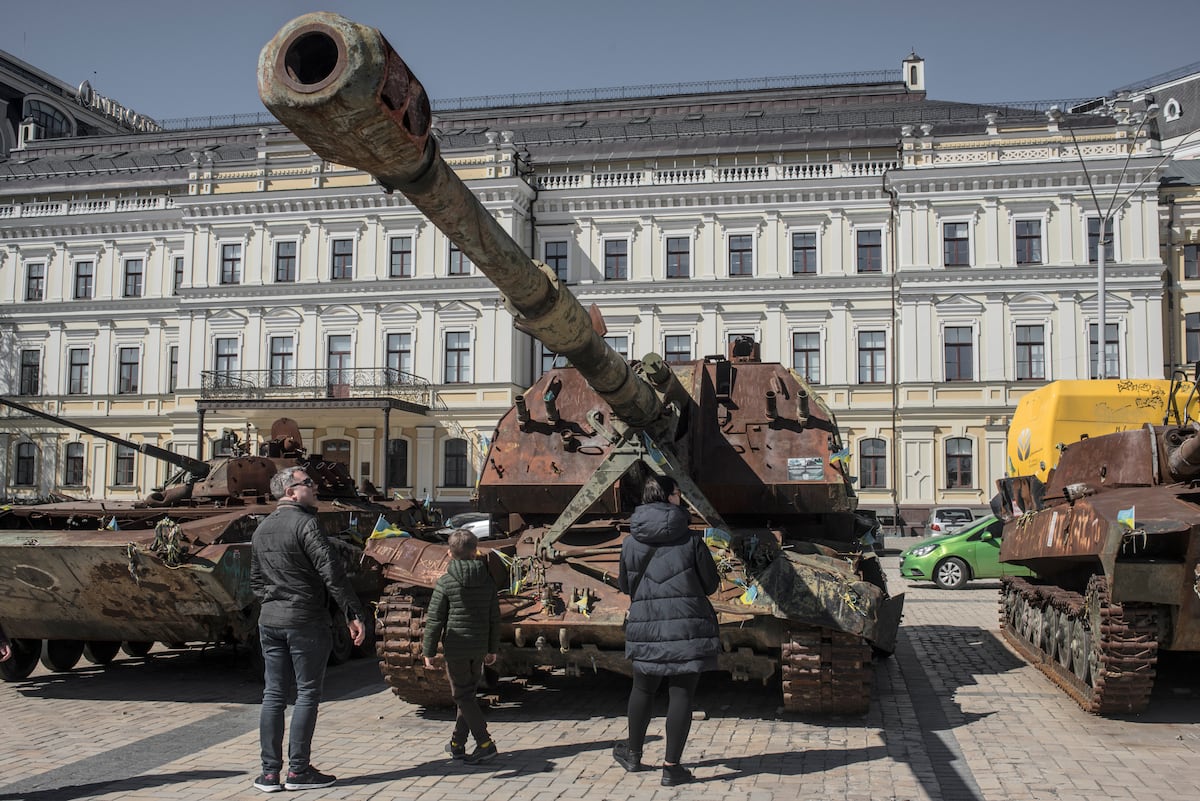
Named TrophyLab and hosted at trophylab.mod.gov.ua, the platform features an extensive catalog of over 115 pieces of confiscated Russian gear, distributed across 79 different categories. Following a rigorous screening process, approved users can access a wealth of resources including blueprints, component breakdowns, wiring diagrams, and insights from Ukrainian national labs and intelligence bodies, currently encompassing over 225 reports, the ministry states.
Defense Minister Mykhailo Fedorov took to social media to introduce TrophyLab, describing it as a strategic asset for “the entire civilized world.” The database includes significant items such as a Kinzhal hypersonic missile and a T-90M tank among its listings.
Fedorov emphasized the importance of each piece of military hardware captured on the field, stating that every missile, drone, and vehicle is a potential reservoir of knowledge for the global community.
Besides digital exploration, the platform also permits verified partners to physically acquire the hardware for non-destructive analysis, disassembly, or even comprehensive destruction tests. This feature is particularly beneficial for countries aiming to develop countermeasures or enhance the resilience of their own systems against Russian military threats.
Access to TrophyLab is restricted to a select group, including Ukrainian military personnel, defense manufacturers, foreign defense ministries, allied defense companies that meet Ukrainian Ministry of Defense standards, and certified research institutions. The stringent access criteria not only underscore the sensitive nature of the information, especially as some captured systems have not been widely disclosed technically, but also restricts the platform’s usage to those already integrated within Ukraine’s defense collaboration network.
This initiative is part of a larger trend where Kyiv is transforming battlefield intelligence into a strategic resource that can be shared. In addition to this, Ukraine has provided extensive drone footage from the front lines to help train allied artificial intelligence systems and has engaged in partnerships, such as the bilateral ‘Brave Germany’ program with Germany, to foster startups aimed at creating advanced long-range weaponry based on combat experiences. Furthermore, last month Ukraine formalized a legal structure to utilize captured Russian military equipment in international defense collaborations.
Similar Posts:
- Ukraine Unleashes Battlefield AI Data to Allies: A Pioneering Global Strategy
- Ukraine Launches 25,000 Robots for Frontline Tasks: Reducing Soldier Risk in Combat Zones
- CIA Director Reveals: Russian Troops Last Only 20-30 Minutes in Ukraine Frontline Combat
- Finland Shuts Airspace, Limits Sea Traffic Near Russia: Drone Threats Escalate
- Ukraine’s Drone Success: Over 80% of Enemy Targets Destroyed

Jamal Peterson reports on defense, aerospace, and tech policy. With a military background and a strategic mind, he dissects complex subjects with clarity, offering readers sharp, reliable insights.