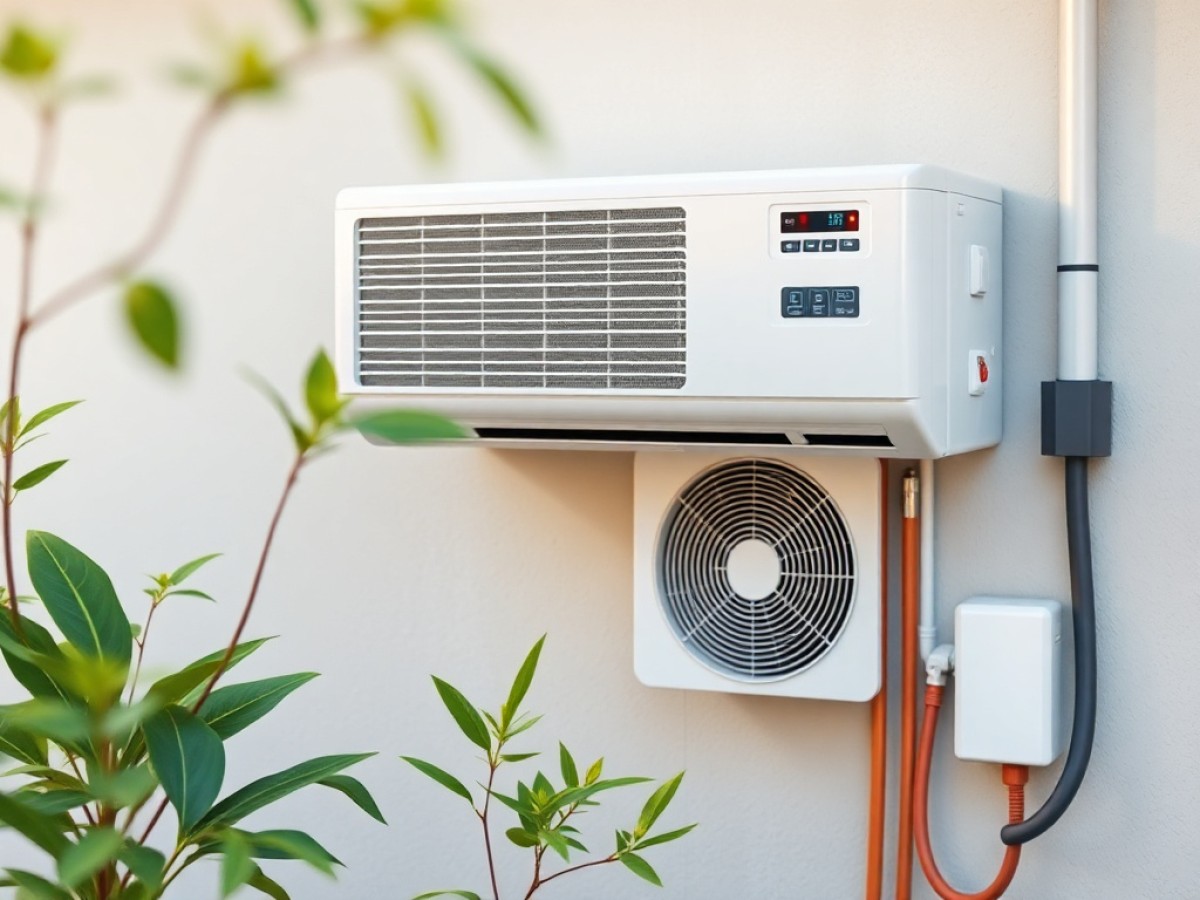
New Initiative Offers Battery Air Conditioning Systems to Renters to Alleviate Urban Grid Pressure Amidst Rising Temperatures
As cities worldwide experience increasingly severe heatwaves, a new program is being introduced that aims to lend a helping hand in managing the stress these heatwaves place on electrical grids. This innovative scheme involves providing renters with battery-powered air conditioning units, which could prove essential in keeping urban areas functional during peak temperatures.
Understanding the Program’s Mechanics
The program works by equipping rental properties with advanced battery-operated air conditioning systems. These units are designed to operate independently of the main power grid. By doing so, they reduce the overall electricity demand from the grid during critical periods of high usage, which are often exacerbated by the simultaneous operation of multiple air conditioning systems in densely populated areas.
This initiative not only aims to provide immediate relief during heatwaves but also serves as a part of a broader strategy to enhance the sustainability and resilience of urban power infrastructures. It is a forward-thinking response to the dual challenges of urban heat islands and the increasing frequency of extreme weather events linked to climate change.
Benefits Extending Beyond Grid Relief
The benefits of this program extend beyond simply alleviating grid stress. Firstly, it promises to make air conditioning more accessible to renters, who often face restrictions when it comes to installing permanent fixtures in rented homes. Portable or semi-permanent battery-powered units offer a practical solution without the need for invasive installations.
Moreover, these air conditioning systems can continue functioning even during power outages, providing a critical comfort and safety layer during extreme weather conditions. This aspect is particularly important in areas prone to blackouts during heatwaves, which can leave vulnerable populations at risk.
Challenges and Considerations
Despite its potential, the program does face challenges. The upfront cost of battery-powered air conditioning units is higher than traditional models, potentially making it a less attractive option for both landlords and tenants wary of initial expenses. Additionally, the effectiveness and efficiency of these units can vary based on factors like unit size, the specific climate of an area, and the existing electrical infrastructure of a building.
There’s also the critical need for widespread adoption to truly mitigate the impact on the grid. This means that awareness and incentives could play significant roles in the program’s success. Regulatory support from local governments, possibly in the form of subsidies or tax incentives, could encourage more landlords and renters to participate.
Looking to the Future
As the program rolls out, its success will largely depend on the coordination between renters, landlords, and local authorities. It will also hinge on the continued advancement of battery technology, which must evolve to offer more cost-effective and efficient solutions.
This battery-powered air conditioning initiative stands as a promising tool in the ongoing effort to adapt our urban environments to the realities of climate change. By reducing dependency on the grid and increasing accessibility to cooling solutions, cities can become more resilient, ensuring that they remain livable even as temperatures climb.
Similar Posts:
- City Battles Deadly Heat Waves: Simple Strategies to Cool Down and Protect Residents
- India Boosts Wind and Solar Energy: Now Faces Urgent Need for Expanded Storage Solutions
- Europe’s Heat Wave Tragedy: Death Toll May Exceed 10,000 Amid Soaring Temperatures
- Tesla Triumphs Over Tougher Nevada Battery Regulations: How They Won the Battle
- Scorching Heat Targets Eastern US: Nature Turns Up the Temperature!

Morgan Ellis is an investigative journalist passionate about environmental policy and corporate accountability. With a background in climate science and years of reporting for nonprofit media, Morgan brings depth, clarity, and purpose to every story.