Massachusetts Faces Environmental Concerns Over Wastewater Discharges
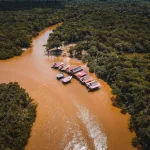
In Massachusetts, a pressing environmental issue has emerged due to the state’s disposal of sewage into rivers and water bodies. This practice has spurred several community-based groups to take a stand, aiming to halt the pollution and protect their local ecosystems.
Grassroots Movements Rally Against Pollution
Local organizations have become the frontline warriors in the battle against water pollution in Massachusetts. These groups, often composed of concerned citizens and environmental activists, have been pushing for changes to stop the contamination of their water resources. Their efforts include lobbying for stricter regulations, promoting public awareness, and participating in cleanup activities.
The problem of sewage discharge into waterways is not just a local issue but a statewide concern that affects various communities. Many of these grassroots organizations argue that the pollution results from outdated infrastructure and insufficient regulatory measures which fail to keep pace with environmental needs.
The Impact of Sewage Discharge
The discharge of untreated or partially treated sewage into water bodies poses severe risks to the environment and public health. It can lead to the degradation of aquatic habitats, harm to wildlife, and the spread of waterborne diseases. Moreover, these pollutants can affect recreational water activities and the overall aesthetic value of natural sites.
Critics of the current system say that the state has been slow to respond to these issues, often bogged down by bureaucratic delays or lack of funding for infrastructure improvements. Meanwhile, environmentalists emphasize the urgency of upgrading sewage treatment facilities and enhancing water quality monitoring programs.
Efforts to Reform
In response to the crisis, grassroots organizations are not only raising awareness among the public but also pressing local and state governments to take decisive action. Some of the proposed measures include investing in modern sewage treatment technologies, implementing stricter discharge standards, and increasing transparency in reporting pollution incidents.
These community groups often collaborate with environmental experts and other stakeholders to draft more effective water management policies. They also strive to hold polluters accountable and ensure compliance with environmental laws through various advocacy and legal channels.
Looking Forward
As Massachusetts grapples with these environmental challenges, the role of grassroots organizations has become increasingly significant. Their persistent efforts to advocate for cleaner waterways reflect a growing public demand for sustainable environmental practices and responsible governance. With continued pressure from these groups and support from the community, there is hope that significant improvements can be made to protect Massachusetts’ waterways for future generations.
Similar Posts:
- Ghana’s Illegal Gold Mining Surge: Residents Resort to Community Patrols
- Thousands Suffer Health Issues from Tijuana River’s Toxic Wastewater: Urgent Environmental Crisis!
- Xcel’s Boulder Coal Ash Cleanup Advances: Critics Highlight Lingering Pollution Issues
- Toxic Nightmare: Thousands Hit by Nausea and Delirium from Tijuana River Contamination
- Air Pollution Crisis Hits India’s Capital: Rare Protests Erupt Over Soaring Levels

Morgan Ellis is an investigative journalist passionate about environmental policy and corporate accountability. With a background in climate science and years of reporting for nonprofit media, Morgan brings depth, clarity, and purpose to every story.