The gaming industry seems trapped in a relentless cycle of distressing repetition. Each month brings a new announcement from a different game publisher about impending layoffs within their development teams. These announcements are typically filled with superficial regrets and commendations for the soon-to-be unemployed workers, all veiled in corporate jargon that obscures the true impact of these reductions.
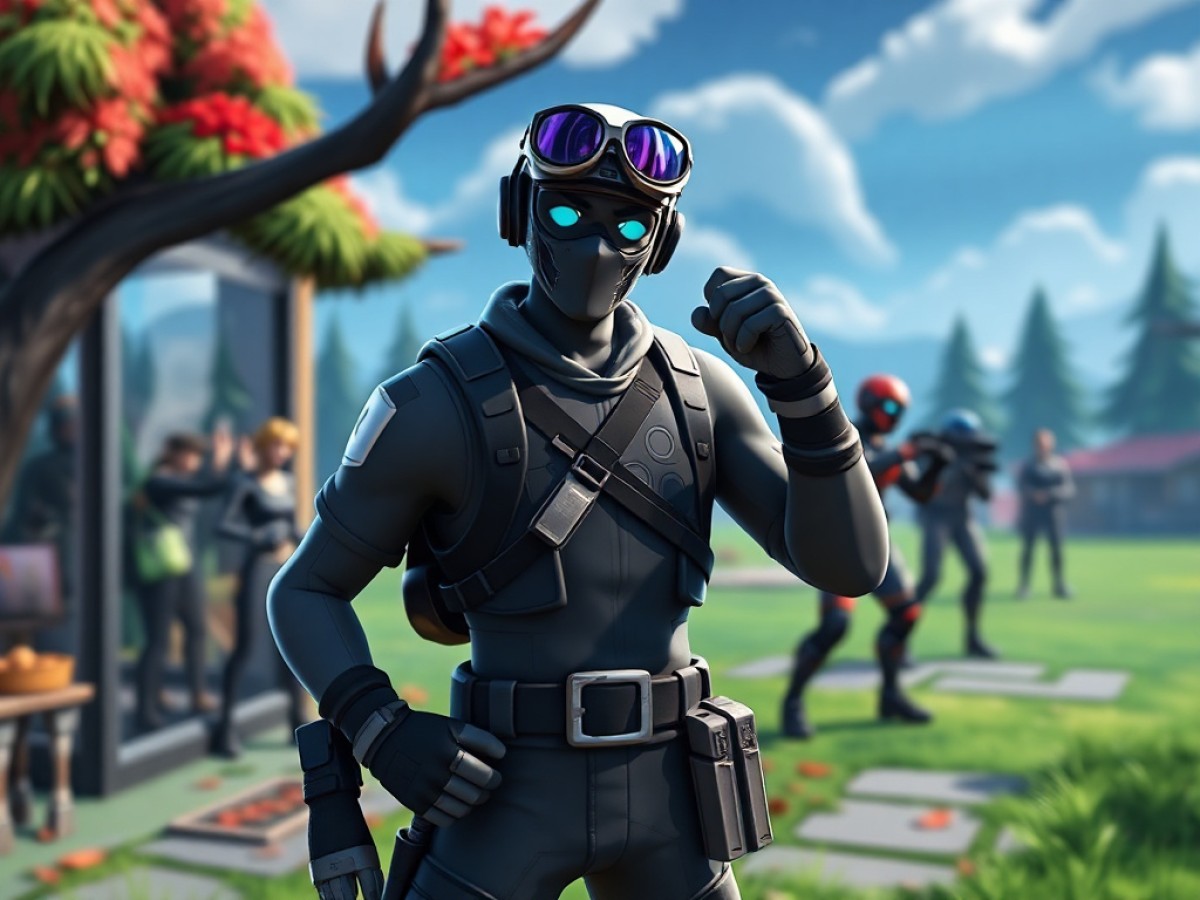
This time, it was Epic Games, the company behind Fortnite, which is among the world’s most popular games, that delivered the bad news. Epic’s CEO, Tim Sweeney, shared online that the company would be cutting over 1,000 jobs, adding to the 830 positions eliminated in September 2023.
Sweeney’s announcement was laden with typical corporate expressions of regret. He explained, “Due to a decline in Fortnite’s popularity that began in 2025, our expenditures have far surpassed our earnings, necessitating significant reductions to sustain our funding. This reduction, combined with over $500 million in cost savings from reduced contracting, marketing, and unfilled positions, will stabilize our financial situation.” He attributed these measures to “industry-wide challenges” such as slowed growth, decreased consumer spending, and rising costs.
Despite generating about $4 billion annually from Fortnite and an estimated $6 billion total revenue in 2025, Epic Games finds itself spending more than it earns. Mid-statement, Sweeney subtly referred to the substantial legal expenses the company faced in its battles with Google and Apple, a factor outside the control of the developers.
Industry analysts will likely dissect these financial details for some time, pointing to complex market dynamics and predicting further troubles ahead. It’s widely understood why these issues are occurring, yet solutions to halt them seem elusive. The cost of game development is climbing, whereas market growth is plateauing. During the COVID-19 pandemic, companies over-hired, anticipating continued high demand, a prediction that failed to consider potential changes in consumer behavior. Moreover, competition from social media and streaming services is intensifying, proving that consumer attention is a limited resource.
What strikes me as particularly troubling is the pattern of gaming companies investing heavily in new multiplayer “live service” games only to shut them down shortly after if they don’t become instant hits like Minecraft, Roblox, Call of Duty, or Fortnite. Games like Xdefiant, Highguard, and Concord were short-lived, lasting only months or weeks. This high-risk, high-reward strategy seems flawed if even the largest players in the market struggle to pay their bills.
Having covered the gaming industry for three decades, I’ve often felt that it might be mismanaged. Nowadays, the risks and consequences of poor decision-making are even greater. The industry almost imploded in 1983 due to an oversaturation of subpar game consoles and titles mimicking Atari. Since then, I’ve watched various gaming fads come and go—arcade-style races, fighting games, guitar games, toys-to-life, pet simulators, and more. Each trend typically follows a cycle: a few successful games emerge, the market becomes flooded, and then the audience moves on, leaving job losses in its wake. It appears that many executives, often failing upwards, continue to chase these fleeting successes.
According to several analysts, the peak of most live service games has passed, yet major publishers continue to invest heavily in them. In these late capitalist times, the industry’s obsession with growth persists, often at any cost. The strategy of placing “safe” bets on live games is proving increasingly perilous. As players inevitably shift their interests, developers are frequently the first to be let go.
In his statement, Sweeney concluded with a typical optimistic outlook, necessary to maintain shareholder confidence: “Our focus now must be on creating outstanding Fortnite experiences with new seasonal content, gameplay, stories, and live events… We’re preparing to launch the next phase of Epic with significant plans toward the year’s end.”
Over my career, I’ve visited countless game studios and met incredibly dedicated and talented individuals who often endure grueling work schedules. They form tight-knit communities, each with its unique culture. Among those laid off by Epic Games recently, many had dreamed of working there their entire lives, making personal sacrifices and incurring debts to achieve their goals. What will their future hold as the end of the year approaches? And which group of passionate game creators will be next to face such uncertainty?
Similar Posts:
- Grand Theft Auto VI Launch Postponed: New Release Date May 2026!
- Preserving VHS-Era Gaming Culture: One eBay Bid at a Time!
- Exclusive Interview: Yoko Shimomura Talks Composing for Street Fighter, Final Fantasy
- The Simpsons’ Bizarre Romance with Video Games: A Decades-Long Love Story Unveiled!
- Hackers Who Game: Discovering the Next Wave of Tech Talent

Fatima Clarke is a seasoned health reporter who bridges medical science with human stories. She writes with compassion, precision, and a drive to inform.