Surge in Solar Energy Sales Amidst Rising Prices Due to Conflict in Iran
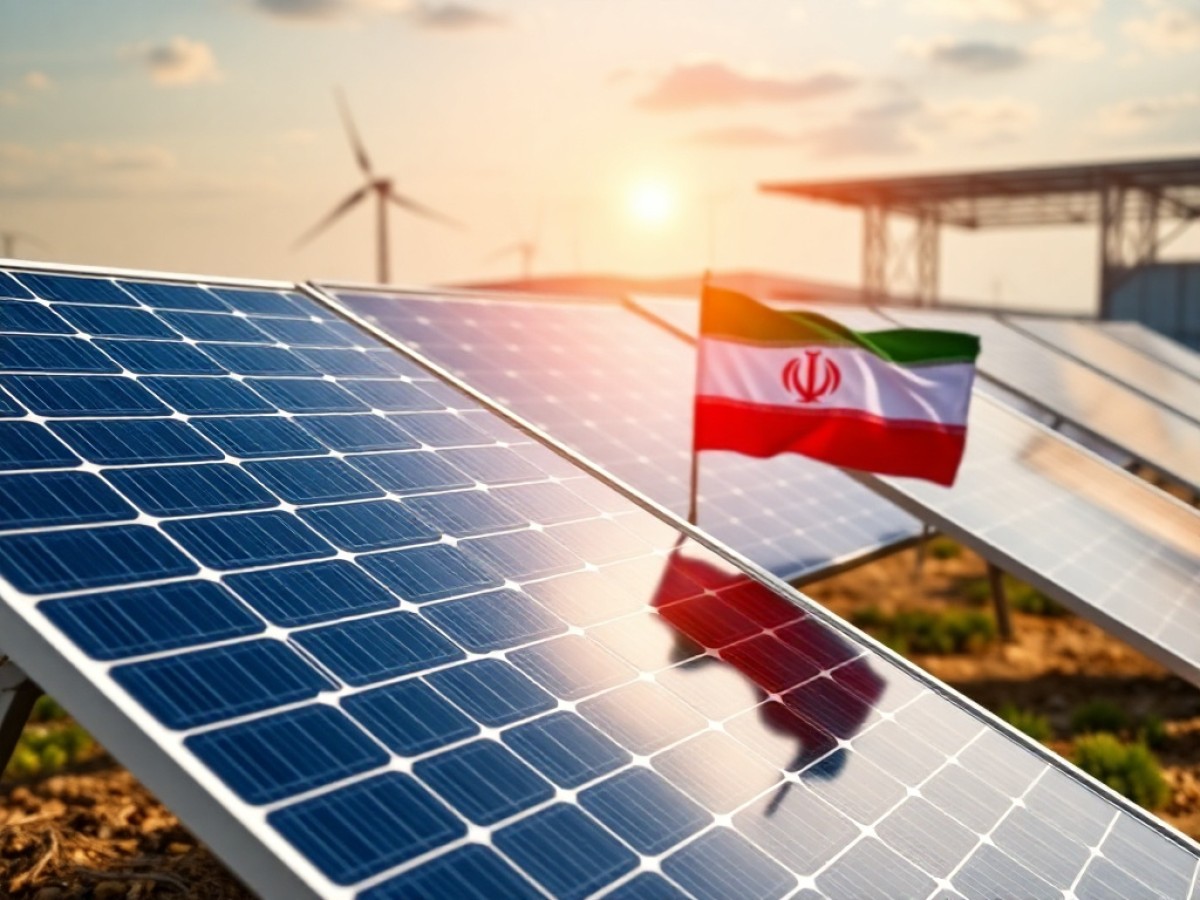
The ongoing conflict in Iran has led to unexpected fluctuations in global energy prices, prompting a significant boost in the adoption of solar power across Asia, a region with a high demand for energy. As traditional energy costs soar, residential and commercial sectors are increasingly turning to solar solutions to mitigate the impact of rising expenses and ensure a reliable power supply.
Impact of the Iran Conflict on Global Energy Markets
The disturbances caused by the war in Iran have had far-reaching effects on the global energy landscape. Primarily, the conflict has disrupted oil supply chains, leading to a sharp increase in oil prices worldwide. This price hike has made energy costs unpredictable, putting immense pressure on economies that depend heavily on oil imports, particularly in Asia.
Asia’s Shift Towards Solar Energy
In response to the escalated energy costs and the quest for stability, Asia is witnessing a surge in solar energy installations. Countries in this region are accelerating their transition from fossil fuels to renewable energy sources to combat not only rising prices but also growing environmental concerns. Solar power, with its decreasing installation costs and advancements in technology, presents a viable and sustainable alternative.
Businesses and households alike are adopting solar panels at an increasing rate, driven by the desire to reduce energy expenses and dependency on volatile oil markets. Governments are also playing a crucial role by implementing policies that encourage the deployment of renewable energy technologies, including tax incentives, subsidies, and favorable regulatory frameworks.
Economic and Environmental Benefits of Solar Power
The shift towards solar energy is not only economically advantageous but also beneficial for the environment. By reducing reliance on fossil fuels, countries can decrease carbon emissions, contributing to global efforts to combat climate change. Additionally, solar power enhances energy security and independence, a critical consideration for many Asian countries amid geopolitical tensions affecting oil supply routes.
Future Outlook
The trend towards solar energy is expected to continue growing, driven by both economic factors and environmental considerations. As technology advances and becomes more cost-effective, and as countries seek to meet international climate commitments, the adoption of solar power is likely to accelerate further. This shift represents a significant transformation in how energy is produced and consumed across Asia, marking a move towards a more sustainable and stable energy future.
Similar Posts:
- Iran Conflict Sparks Energy Crisis: Asia Turns to Ethanol, Biofuels Amidst Fuel Shortage
- Iran Conflict Shakes Up Southeast Asia Energy: IEA Report Highlights Urgent Wake-Up Call
- Alaska Village Embraces Solar & Biomass Energy: Cuts Diesel Costs & Saves Money
- Africa Spearheads Solar Surge: Demand Skyrockets Beyond Traditional Markets, Reveals Report
- Gulf Investors Continue Funding Africa’s Renewable Energy: Impact of Iran War Unlikely

Morgan Ellis is an investigative journalist passionate about environmental policy and corporate accountability. With a background in climate science and years of reporting for nonprofit media, Morgan brings depth, clarity, and purpose to every story.