Advancements in French Military Readiness and Strategy
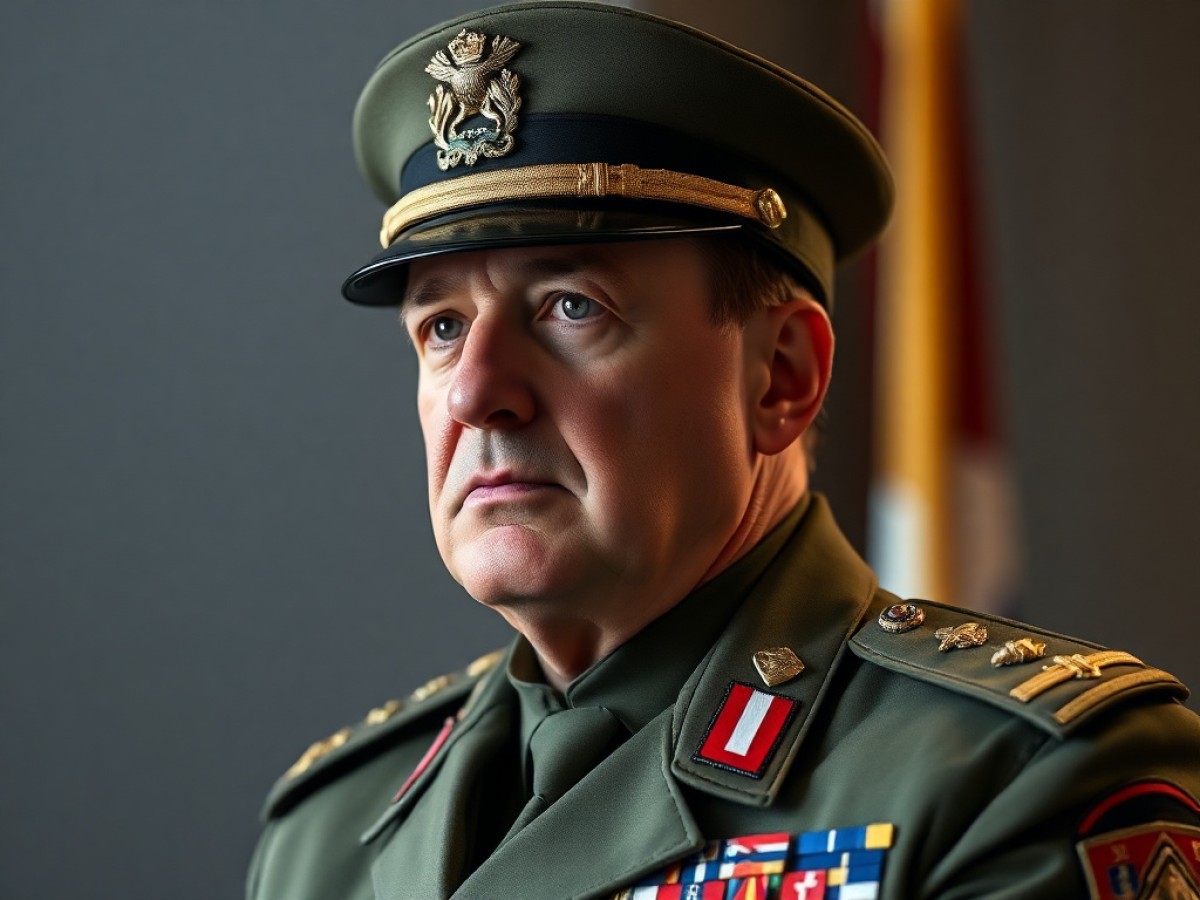
PARIS — Since assuming his role in July 2021, Gen. Pierre Schill, the French Army Chief of Staff, has been pivotal in enhancing the operational readiness and strategic capabilities of France’s land forces. His focus has been on preparing for high-intensity conflicts and incorporating advancements such as networked operations and drone technology, with insights gained from the ongoing conflict in Ukraine.
In anticipation of the Eurosatory defense exhibition in Paris, running from June 15-19, Gen. Schill shared insights on how the French Army is integrating innovative practices to adapt to the evolving nature of warfare.
This interview has been condensed and clarified for brevity and coherence.
Embracing Innovation Amidst Peacetime Challenges
Gen. Schill highlighted the current era as one of significant technological progression, likened to historical shifts such as the Industrial Revolution or the advent of mechanized warfare in the 20th century. He emphasized that innovation is not a fixed endpoint but a continuous adaptation process, crucial for maintaining operational superiority, which now depends as much on the speed of learning and adaptation as on the equipment itself.
To bridge the gap between innovative ideas and their practical implementation, the French Army employs a dual approach. A ‘bottom-up’ innovation model encourages initiative and adaptability at the unit level, responding directly to on-ground challenges. This approach has proven essential in recent conflicts, highlighting the importance of tactical flexibility.
Conversely, the ‘top-down’ innovation strategy is structured around the Future Combat Command, integrating operational feedback and ensuring overall capability coherence. This method helps prioritize efforts and streamline the integration of new developments into a comprehensive future warfare strategy.
Exploratory hubs within brigades facilitate the fusion of these approaches, transforming innovative experiments into practical operational capabilities swiftly. The allocation of ‘subsidiary funding mechanisms’ to these hubs has significantly expedited the acquisition processes and battlefield adaptations.
Learning from Ukraine Without Overgeneralizing
While the conflict in Ukraine offers valuable lessons, Gen. Schill cautioned against adopting a one-size-fits-all approach to future conflicts. The war showcases the rapid evolution of warfare technologies like drones, electronic warfare, and artificial intelligence. However, it also reminds us that traditional combat forms, such as trench and urban warfare, remain prevalent.
The French Army, therefore, aims to integrate these lessons without overfitting its strategy to the specific scenarios seen in Ukraine. France’s status as a nuclear power and a NATO member, coupled with its comprehensive military capabilities, necessitates a balanced approach to defense, ensuring readiness across homeland protection, overseas operations, and high-intensity coalition warfare.
Adapting Training and Operations Post-Ukraine Insights
Recent modifications in training reflect a shift towards more realistic, dispersed, and challenging scenarios, where units operate under constant threats like drone surveillance and electronic warfare. The French Army has also enhanced command training to better handle degraded environments and improve logistical resilience and combined-arms operations.
The Orion 26 exercise validated the French Army’s ongoing transformation strategy, confirming the necessity for large, coherent formations capable of maintaining high operational tempos and effective coalition operations. The focus remains on enhancing capabilities that provide tactical advantages such as firepower, surveillance, command, and logistical support.
Challenges in Scaling Up for a War-Ready Division by 2027
Looking ahead to 2027, when the French Army aims to have a fully operational war-ready division, Gen. Schill pointed out critical gaps particularly in areas that enable maneuverability like air defense, electronic warfare, and logistics. These capabilities are crucial for modern military operations but are also among the most challenging to develop rapidly in crisis situations.
Enhancing Operational Flexibility in the Age of Transparent Battlefields
With the advent of advanced surveillance and reconnaissance technologies, achieving surprise on the battlefield has become more about speed and deception than invisibility. Gen. Schill discussed the need for enhanced electronic warfare capabilities, reduced signatures, and faster decision-making processes to adapt to these changes.
Future Directions in Armored Warfare and Coalition Readiness
Addressing the Scorpion program and the integration of robotics in ground combat via the Pendragon project, Gen. Schill envisioned a future where armored systems are part of a broader network involving manned and unmanned platforms. This integrated approach is crucial for developing the next generation of combat systems that can thrive in the interconnected battlefields of the future.
Finally, in the context of Europe’s defense autonomy, Gen. Schill reinforced the importance of Europe taking greater responsibility for its own defense, emphasizing the need for operational, industrial, and training coherence among European nations to ensure readiness and effectiveness in future conflicts.
Similar Posts:
- French Military Leader Schill Warns: Europe Confronts Empires, Vassal States, and Warfare
- Ukraine’s War Evolution: From Infantry Battles to High-Tech Warfare
- US Air Force Overhauls Pilot Training: Prepares for New T-7 Era
- French Army’s Strategy: Mastering the Art of Deception on Transparent Battlefields
- French Army Faces Unique Challenge: Recruitment Surplus but Equipment Shortage, Deputy Chief Reveals

Jamal Peterson reports on defense, aerospace, and tech policy. With a military background and a strategic mind, he dissects complex subjects with clarity, offering readers sharp, reliable insights.