In the remote expanses of eastern Greenland, a Danish military unit has for many years maintained a discreet presence at a gravel airstrip.
With a recent defense agreement with the U.S., this outpost, located at Mestersvig, is poised to transform into a significant strategic point for American military operations in the Arctic region.
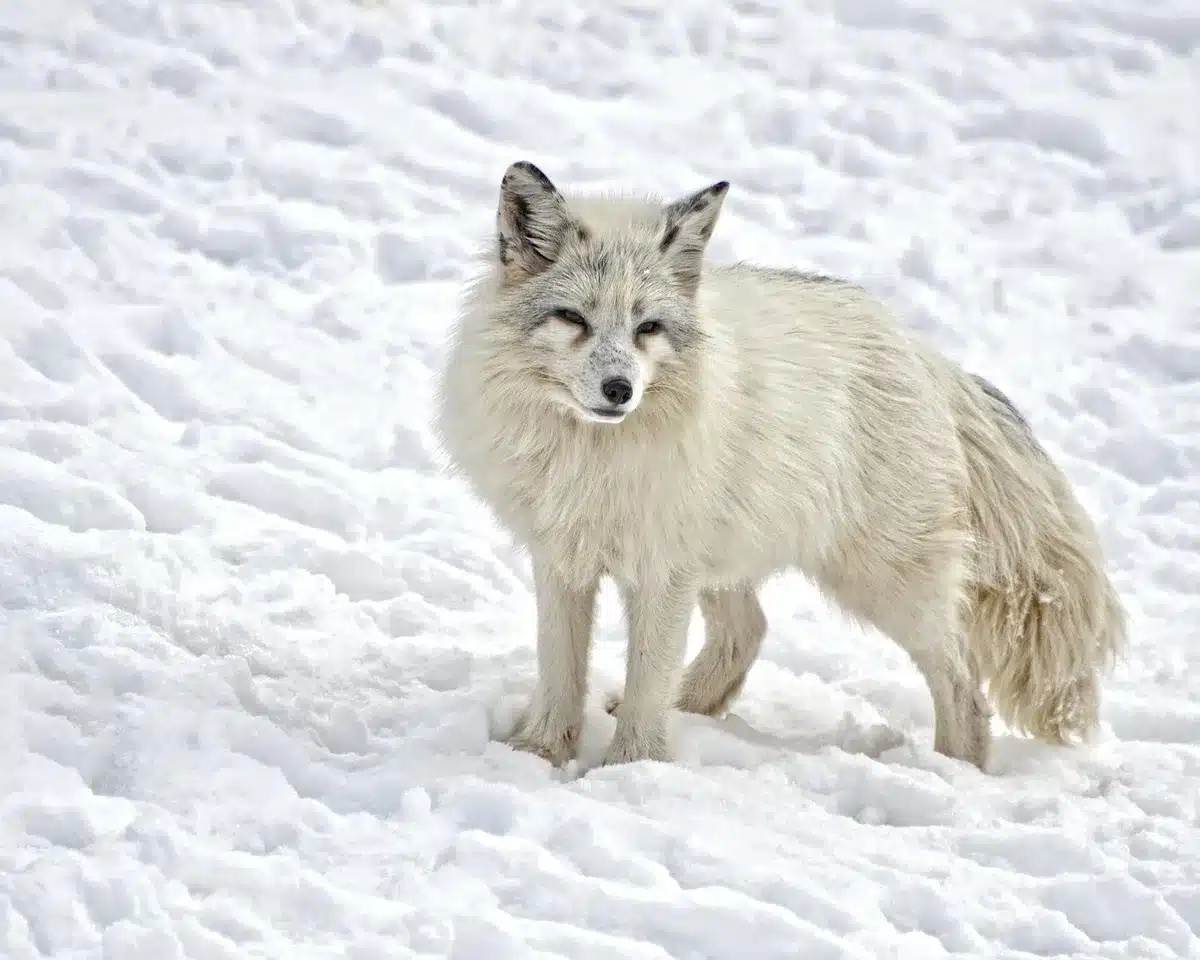
Mestersvig is isolated, situated 149 miles from the nearest community, which has a population of 330, and on the fringe of a vast national park that surpasses the combined size of Germany and France. The area plunges into prolonged darkness in the winter and experiences average temperatures around 14 degrees Fahrenheit.
“This location epitomizes remoteness and severe climatic conditions, comparable only with those in Antarctica,” commented Anders Ibsen, a former member of the elite Sirius dog sled patrol of Denmark, which uses Mestersvig as a logistical hub.
CRITICAL NAVAL JUNCTURE
This area monitors the naval passage between Greenland, Iceland, and Britain, known as the GIUK gap. This route is essential for Russia’s Northern Fleet to access the Atlantic, making it a vital area for NATO to control in order to limit Russian naval activities.

Justus Hansen, a local parliamentarian, expressed support for the expansion, highlighting the financial benefits it could bring to eastern Greenland.
The defense pact allows for the establishment of new U.S. bases at Mestersvig and Narsarsuaq in southern Greenland, marking a significant expansion of U.S. military presence on the island, which has been largely static for years.
The outpost, built in the 1960s, is currently maintained by just three soldiers and has the capacity to accommodate up to 150 troops.
There has been no official announcement from the U.S. regarding their specific plans for the base.
LEGACY OF STRATEGIC IMPORTANCE
In World War II, this stretch of Greenland’s coastline became pivotal in the “weather war,” where both Germany and the Allies vied for control over weather reporting stations that would provide critical data for the North Atlantic and Europe.
German forces established secret weather stations here, which were subsequently discovered and dismantled by Danish dog sled patrols and Allied forces.
Currently, there’s an EU-backed initiative to extract molybdenum, essential for aerospace and defense, near this area. Additionally, a Texas-based oil firm has plans to explore for oil near Mestersvig this winter, though it still awaits the necessary permits.
The previous owner invested heavily in seismic studies in the 1970s but did not proceed with drilling.
Robert Price, CEO of Greenland Energy, noted, “Any improvements to infrastructure in Greenland would be greatly appreciated.”
The airstrip, measuring 1.1 miles, is capable of accommodating military transport planes and can accumulate up to 5 meters of snow annually.
“When it snows, you find yourself constantly clearing snow,” said Ibsen, who spent a year stationed at Mestersvig.
“Survival itself is a full-time job here.”
Similar Posts:
- Danish Forces Heroically Rescue US Submariner: Urgent Medical Evacuation off Greenland
- Norway to Deploy Military Police in Arctic: Enhancing Security on Remote Island
- Denmark Speeds Up Lockheed Radar Deployment: Enhancing Northern Air Surveillance!
- US Military Strategy Revamped: Greenland Now Under Northern Command Control
- NATO Commander Warns: Rising Russian and Chinese Threats in Arctic Escalate Tensions!

Jamal Peterson reports on defense, aerospace, and tech policy. With a military background and a strategic mind, he dissects complex subjects with clarity, offering readers sharp, reliable insights.