BERLIN — The Termination of a Major European Defense Initiative
In a significant turn of events, the governments of France and Germany have decided to discontinue their joint venture to create a next-generation combat aircraft, a decision disclosed by two officials from Germany on Monday. This decision puts an end to what was one of the most significant defense collaborations in Europe.
Last week, during discussions held at the EU-Western Balkans summit in Montenegro, German Chancellor Friedrich Merz and French President Emmanuel Macron determined that the project was irretrievably stalled. After several months of impasse, the two leaders concluded that there was no foreseeable solution, according to the officials.
The inability to finalize the ambitious project, valued at €100-billion ($116 billion), highlights the ongoing difficulties faced by Europe in enhancing its military capabilities, following a long period of insufficient investment.
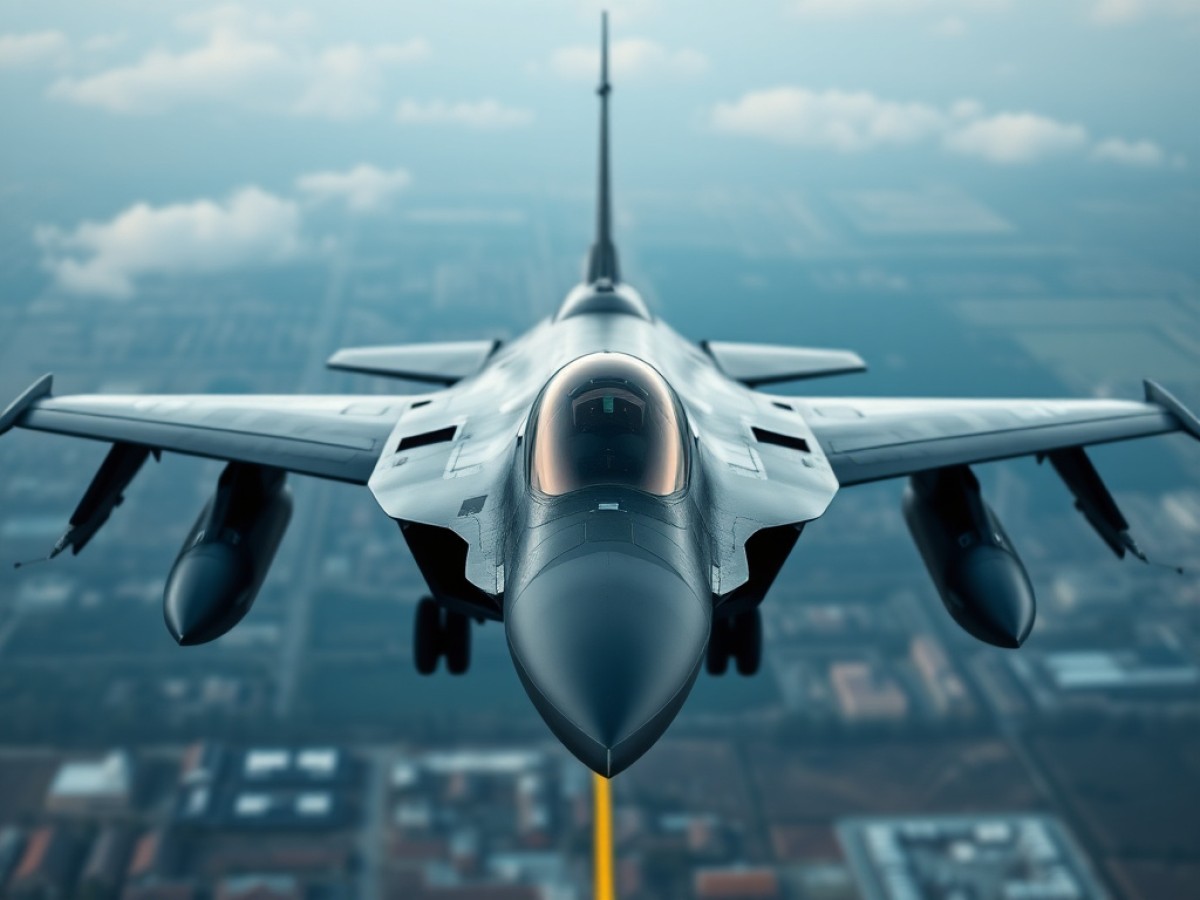
The initiative, known as the Future Combat Air System (FCAS), was to feature a sophisticated fighter jet as its centerpiece, augmented by a network of drones and a secure data-sharing network termed a “combat cloud.” However, disagreements over the aircraft’s specifications and issues of project control had cast doubt on its continuation for several months.
A European official familiar with the discussions indicated that efforts were being made to find a diplomatic resolution that would allow the peripheral aspects of the program, like the combat cloud system, to retain the FCAS name. This approach appears to be largely symbolic, as FCAS is a common designation for such systems and not exclusive to this specific project. This strategy was aimed at enabling President Macron to step back from the central fighter jet component without having to declare the entire initiative a failure.
The project was initially launched by Macron and the former German Chancellor Angela Merkel in 2017. Attempts to reach Macron’s office for a comment were not immediately successful.
Over the months, Macron and Merz had made several attempts to rescue the project, trying to mediate the conflicting interests of the main industrial stakeholders. These included the European aerospace conglomerate Airbus, representing Germany and Spain, and France’s Dassault Aviation.
Beyond the technical and control issues, the requirements for the aircraft itself varied significantly between the parties involved. Chancellor Merz expressed skepticism about the relevance of a manned sixth-generation fighter for the German forces and emphasized that Germany had no need for a jet capable of nuclear strikes or operations from an aircraft carrier.
Similar Posts:
- Crisis in French-German Fighter Jet Program: Dassault Points Finger at Airbus!
- German, Spanish Firms Unite to Save Pioneering FCAS Fighter Tech: A Race Against Time
- Germany May Use French, UK Nukes as Deterrent, Says Merz: A Bold Shift in Defense Strategy?
- France Aims for Key Deal on Cutting-Edge Fighter Jet: Progress Toward ‘Mutually Acceptable’ Accord
- Germany Joins GCAP: New Leonardo Boss Cautions on Timing

Jamal Peterson reports on defense, aerospace, and tech policy. With a military background and a strategic mind, he dissects complex subjects with clarity, offering readers sharp, reliable insights.