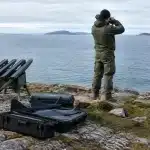
In the chilly waters of Alaska’s Kobuk River, Tristen Pattee navigates his boat past drifting ice. Alongside him, his great uncle Ernest holds a rifle, ready for the caribou that historically migrate through this area. It’s the end of September, a time when normally thousands of caribou would have crossed the river, but the landscape around them remains starkly devoid of wildlife, framed only by the distant Gates of the Arctic National Park.
Shortly after Pattee’s unsuccessful hunting trip, the Trump administration greenlit the development of a 211-mile road intended to access significant copper deposits. This road would slice through untouched wilderness, intersecting 11 major rivers and numerous streams that support salmon spawning and caribou migrations. Despite the controversy and lawsuits surrounding this decision, proponents are optimistic about construction commencing next year. This approval coincided with unprecedented rainfall in Northwest Alaska, leading to severe flooding that damaged villages and fish habitats, further stressing the indigenous communities already impacted by declining caribou and salmon populations.
Pattee, co-owner of a wilderness guiding company and an Inupiaq hunter, relies on the health of caribou and fish populations for his livelihood and to sustain his family through traditional hunting practices. Despite the potential environmental impacts, he supports the road construction, citing economic necessity. “Everything takes money nowadays,” Pattee remarks, highlighting the scarcity of local jobs and the prohibitive cost of gasoline, which restricts the use of vehicles essential for hunting. He believes that the mining industry could provide crucial employment opportunities and help address the environmental changes threatening his way of life.
The irony is stark in Northwest Alaska; the region, already a frontline of the climate crisis, holds minerals essential for green technologies beneath its pristine landscapes. Pattee has witnessed the changing climate for years and expresses deep concern over the loss of cultural traditions. “It’s scary,” he admits, but insists on proactive measures to mitigate these changes.
The Declining Caribou Population Pre-Road Construction
Over the past two decades, the Western Arctic Caribou Herd has shrunk by 66%, from nearly 500,000 to about 164,000. This decline is noticeable at the Kobuk River, a traditional hunting spot where fewer caribou now appear during their fall migration. Scientists attribute this change to warmer temperatures delaying the seasonal migration. Only after the first snowfall in early October, much later than usual, did caribou start to cross the river. This delay was soon followed by intense rainfall, which not only disrupts the salmon spawning process by dislodging eggs and lowering water oxygen levels but also brings metals from thawing permafrost into the rivers, further threatening fish populations.
Local environmental experts are deeply concerned about the future of fish populations following this year’s extreme weather conditions. Alex Whiting, Environmental Program Director for the Native Village of Kotzebue, points out that such environmental and fish population conditions have never been seen by the elders of the community.
Exacerbating Strains on an Already Vulnerable Ecosystem
The proposed Ambler Road itself poses significant ecological risks. With plans including numerous culverts and bridges that could disrupt natural water flows and fish passages, the road is also expected to see substantial traffic, stirring up potentially harmful dust from naturally occurring asbestos. This could settle on vegetation crucial to caribou and contaminate extensive waterways. The habitat fragmentation caused by the road could further disrupt caribou migration patterns.
The associated mining operations pose additional threats, with plans to draw substantial volumes of water from local sources and potentially impacting groundwater and permafrost. The storage of toxic waste from the mines poses a risk of spills, which could introduce heavy metals into the rivers, a concern amplified by the increasing frequency of heavy rainfall events.
In Kotzebue, where recent flooding resulted in an emergency declaration, there is palpable fear that the road and mine could contaminate water sources and traditional foods. Karmen Monigold, an Inupiaq member opposing the road, emphasizes the cumulative cultural loss each generation faces, underscoring the importance of preserving their remaining cultural heritage.
The Paradox of Mining for Green Energy
The demand for minerals crucial for renewable energy technologies is expected to surge, potentially increasing production by nearly 500% by 2050. The Arctic holds vast deposits of not only copper but also zinc, lead, silver, and gold, which are essential for various technological and industrial applications. However, the extraction and use of these minerals may not necessarily support clean energy initiatives as anticipated, given the broader political and economic contexts.
The debate over mining these resources often presents a false dichotomy between combating climate change and preserving indigenous lands, a narrative that Andrea Marston, a Rutgers University geography professor, criticizes. She advocates for alternatives that respect indigenous sovereignty and prioritize less consumptive technologies.
A Divided Community Faces Uncertain Futures
Ambler’s mayor, Conrad Douglas, acknowledges the acute need for jobs but is wary of the potential environmental consequences and the likelihood of mining companies hiring from outside the community. His concerns reflect a broader fear of increased reliance on dwindling natural resources, compounded by inaccessible hunting due to high gas prices.
Tristen Pattee remains hopeful that mining jobs could help his community reconnect with their cultural practices of hunting and self-sufficiency. Yet, he too harbors concerns about the long-term impacts on the fish and caribou populations that are central to their way of life.
Preserving What Remains
Nick Jans, an author and long-time Ambler resident, reflects on the profound changes he has witnessed over the decades. To him, the road represents a potential final harm to a landscape already battered by climate change. “This isn’t just about my backyard—this is about the world’s backyard,” he asserts, emphasizing the global significance of preserving these natural environments.
The community of Ambler continues to feel the weight of these developments, with families gradually leaving in search of better opportunities. For Pattee, the struggle is deeply personal. “We’re losing our community. We’re literally losing it,” he laments, underscoring the desperate situation faced by those who wish to stay but find dwindling reasons to do so.
Similar Posts:
- Arctic Crisis in Alaska: Indigenous Elder Keeps Hunting Traditions Alive Amid Warming
- Juvenile Coho Salmon Return to Mendocino Creek: A 30-Year Mystery Solved!
- Global Alert: Climate Change Strips Oxygen from Rivers, Scientists Discover
- Alaska’s Ambler Access Road: Key Insights from AP’s Impact Report!
- Alaska’s Controversial Bear Kill Program: Lawsuit Filed to Protect Caribou Herd

Morgan Ellis is an investigative journalist passionate about environmental policy and corporate accountability. With a background in climate science and years of reporting for nonprofit media, Morgan brings depth, clarity, and purpose to every story.