In Kotzebue, Alaska, as the autumn sun cast a golden hue over the tundra, young James Schaeffer, aged 7, and his 10-year-old cousin Charles Gallahorn were seen energetically running along a dirt track adjacent to the local cemetery. The permafrost beneath had heaved and shifted, causing the grave markers to tilt at odd angles. The children amused themselves by breaking the ice that had formed in the puddles scattered along the uneven path.
Following at a slower pace was their great-grandfather, Roswell Schaeffer, 78, an Inupiaq elder and seasoned hunter. For him, the landscape was not just a playground but a stark reminder of the environmental changes impacting his homeland. The once dependable ice where he hunted seals, the natural permafrost freezers preserving their food, and the predictable patterns of salmon and caribou that used to mark the seasons were all being altered by the warming climate.
Adding to these challenges was the recent approval by the Trump administration of a 211-mile mining road slated to cut through vital caribou and salmon territories. Although facing legal challenges and opposition from environmental and indigenous groups, the potential for increased hunting by outsiders and the consequent impact on the already dwindling animal populations weighed heavily on Schaeffer’s mind. “Losing our caribou to climate change and overhunting could erase our culture entirely,” he expressed with concern.
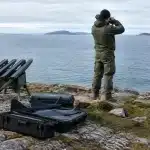
Despite these difficulties, Schaeffer remains committed to teaching the younger generation the traditional ways of living off the land. It was late September, a time when he and James would normally be hunting caribou at their camp. However, due to delayed migrations—a change scientists attribute to climate change caused by fossil fuel combustion—they were instead looking for swans, ptarmigan, and ducks.
A Lifetime Devoted to Hunting
Outside Schaeffer’s home, a pile of caribou antlers can be seen. His hunting shed is adorned with traditional seal hooks and whale harpoons, while inside, his achievements are showcased through photographs, including one with a beluga whale, and adorned with a dall sheep head and a traditional mask crafted by his daughter Aakatchaq from caribou hide and lynx fur.
Schaeffer, who bagged his first caribou at 14 and began mentoring his children in hunting from the age of 7, recently celebrated James’s first caribou kill with a .22 rifle last spring. He imparts to James the lessons his own father taught him: the significance of providing food and the hunter’s duty to nourish the elders.
“Being raised Inupiaq means ensuring the elders are fed,” he stated. Yet, Schaeffer is haunted by the possibility that there might not be enough resources for the coming generations or even for himself. “My success as a hunter hinges on the belief that others will provide for me when I’m old,” he shared. “My great-grandson and grandson represent my future sustenance.”
The Uncertain Future
Nowadays, the family finds themselves consuming less hunted meat, increasingly relying on store-bought chicken and processed foods. The caribou numbers are declining, salmon are harder to find, and the weather is becoming more extreme. This year, record rainfall in Northwest Alaska caused flooding in Schaeffer’s backyard twice in the fall alone. He is deeply concerned about the impact of these changes on the local wildlife and the future ability of his grandchildren to reside in Kotzebue as these changes intensify.
“It’s quite frightening to contemplate what the future holds,” he admitted.
That same afternoon, James took a position in the bed of Schaeffer’s truck, aiming at the water. He successfully shot two ducks. Schaeffer assisted him into waders to retrieve them, but a high tide thwarted their efforts, and they had to return home empty-handed.
The evolving environment is a concern shared by Schaeffer’s friend, Seth Kantner, a writer and commercial fisherman who grew up near the Kobuk River. He reminisced about the days when caribou herds crossed the river by the hundreds of thousands. “The absence of caribou now makes it feel incredibly lonely here,” he lamented. “This road is a major threat, but it’s closely followed by climate change as a concern.”
Similar Posts:
- Climate Crisis Hits Alaska’s Arctic: New Mining Road Threatens to Tip the Balance!
- Alaska Village Wiped Out by Climate Change: Residents Begin Anew in Different Town
- Alaska’s Controversial Bear Kill Program: Lawsuit Filed to Protect Caribou Herd
- Alaska Drilling Program Faces Legal Battle: Lawsuit Challenges Approval in Petroleum Reserve
- Wyoming Slashes Wolf Hunt Quotas: Aims to Boost Yellowstone’s Ailing Population

Morgan Ellis is an investigative journalist passionate about environmental policy and corporate accountability. With a background in climate science and years of reporting for nonprofit media, Morgan brings depth, clarity, and purpose to every story.