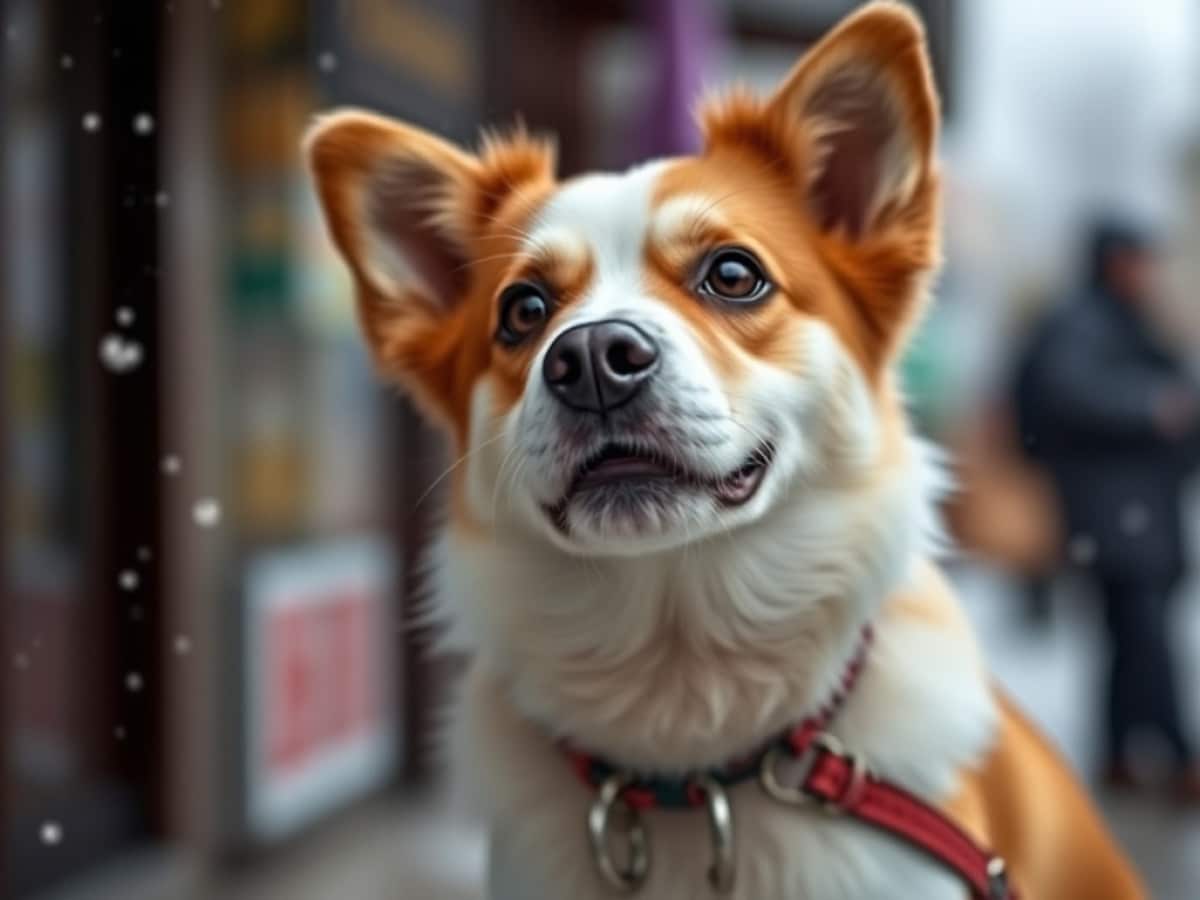
Cold weather can impact the health of pets. Discover the preventive measures recommended by the SSC and UNAM.
MEXICO CITY (apro).— The drop in temperatures during the winter season has prompted city authorities and university experts to issue guidelines for pet owners, aiming to prevent health issues in dogs and cats and to maintain conditions suitable for their well-being.
The Secretariat of Citizen Security (SSC) of Mexico City has announced that, through the Canine Unit of the Bank and Industrial Police (PBI), it is promoting preventive actions focused on pet care during cold periods, particularly during the low temperatures recorded in the early morning and dawn hours.
Simultaneously, scholars from the National Autonomous University of Mexico (UNAM) have noted that pets also exhibit physiological reactions to cold, thus requiring specific care during this season, especially puppies, older animals, or those with pre-existing conditions.
Analysis, context, and facts. Click and follow us on Google News
Cold Weather May Harm the Health of Dogs and Cats, UNAM Specialists Warn
Experts from the Faculty of Veterinary Medicine and Zootechnics at UNAM have explained that low temperatures can induce stress in animals, which manifests in behaviors such as shivering, body shrinking, or constantly seeking heat sources.
According to UNAM, cold can affect the respiratory and joint systems of dogs and cats, as well as decrease their ability to regulate body temperature. For this reason, scholars recommend consistently observing the behavior of pets during the coldest days.
The university has also pointed out that not all breeds or species react the same way to cold, as factors such as fur type, body size, and age affect their tolerance to low temperatures.
SSC Recommends Shelter, Proper Feeding, and Hydration
The SSC has indicated that one of the main preventive measures is to ensure animals are sheltered indoors, to avoid prolonged exposure to the elements, particularly at night and during the early morning hours.
Through the Cerbero-K9 Group of the PBI, the agency also recommended providing proper hydration and nutrition, as a balanced diet helps strengthen the physical condition of animals and their ability to adapt to cold weather.
Among the measures shared are the allocation of comfortable and warm resting places, avoiding drafts and cold surfaces, as well as the use of blankets or garments to maintain body temperature when necessary.
Care for Pads, Nose, and Baths During the Winter Season
Both the SSC and university experts have emphasized the importance of monitoring the condition of the pets’ pads and nose, as the cold can cause dryness or irritation in these areas.
The SSC recommended keeping them moisturized and regularly checking for any visible changes. Regarding hygiene, it is suggested to bathe pets with warm water and ensure they are completely dry, to avoid sudden temperature changes that could affect their health.
UNAM has noted that fur serves as thermal insulation, so keeping it clean and dry helps maintain body heat on cold days.
Authorities Urge to Avoid Prolonged Outdoor Exposure
The city authorities have called for keeping pets indoors for extended periods during the winter season, especially during significant temperature drops.
For animals that usually stay in yards or rooftops, the SSC recommended setting up enclosed spaces, protected from the wind, and with surfaces insulated from the cold.
The agency reiterated that these actions are part of its commitment to the overall well-being of the citizens and the animals that are part of homes in the capital.
Similar Posts:
- Arctic Blast Hits U.S. South and Midwest: Brace for Dangerous Wind Chills!
- Winter Fashion Guide: 10 Stylish & Cozy Updates to Beat the Cold!
- Should You Wash Chicken Before Cooking? UNAM Experts Weigh In
- Cold Weather Nutrition: Foods to Prevent Dry Skin in Winter
- UNAM Creates Rapid HPV Test: A Leap Forward in Cancer Prevention