The Pros, Cons, and Challenges: Europe’s Pursuit to Replace U.S. Defense Capabilities
Europe is actively striving to develop its own defense mechanisms, aiming to reduce its dependency on American military resources. This initiative reflects Europe’s broader ambition to assert its autonomy and bolster its security infrastructure. However, this pursuit is filled with complex challenges and mixed outcomes, shedding light on the strengths, weaknesses, and potential pitfalls of Europe’s strategic ambitions.
Europe’s Drive for Defense Independence
For decades, European countries have relied heavily on the United States for defense, particularly in areas like intelligence, surveillance, and reconnaissance capabilities. The U.S. has also been instrumental in providing aerial refueling aircraft and advanced satellite communication, which are crucial for modern military operations.
However, recent geopolitical shifts and a growing desire for sovereignty have prompted European nations to rethink their defense strategies. The objective is clear: develop and deploy a range of defense systems that can operate independently of U.S. technologies. This move is not only about strengthening Europe’s defense capabilities but also about enhancing its political leverage and decision-making autonomy on the global stage.
The Challenges of Going Solo
While the goal is ambitious, the path is fraught with hurdles. One of the main challenges is the high cost and technological complexity involved in developing state-of-the-art defense systems. European nations must invest significantly in research and development, and must also enhance their industrial capacity to support these advanced projects.
Moreover, there is a need for greater collaboration and coordination among EU member states. Defense projects require a unified approach to ensure that systems are interoperable and can be seamlessly integrated across different national forces. However, differing political agendas and budgetary constraints often slow down collaborative initiatives.
The Mixed Results So Far
Europe’s endeavors to establish a more independent defense posture have seen varying degrees of success. On one hand, there have been notable advancements in certain areas such as cyber defense and the development of military drones. On the other hand, some projects have encountered significant delays and cost overruns, highlighting the difficulties of such a massive undertaking.
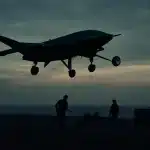
The development of the European MALE (Medium Altitude Long Endurance) drone is a testament to both the potential and the challenges of Europe’s defense ambitions. While the drone represents a significant step forward in achieving operational independence, its development has been marred by technical difficulties and disagreements among participating countries.
Looking Ahead: Strategic Implications and Conclusion
As Europe continues to push forward with its plans to develop independent defense capabilities, the strategic implications are profound. Successfully reducing reliance on U.S. military support could redefine Europe’s role in global affairs, providing it with more flexibility in foreign policy and crisis management.
Nevertheless, this transition demands substantial investment, sustained political will, and enhanced cooperation among European nations. The journey is complex and the outcomes uncertain, but the pursuit of defense autonomy remains a critical aspect of Europe’s vision for a more self-reliant and influential role on the world stage.
Similar Posts:
- EU Official Warns: Europe Must Develop Its Own Air-Defense Missiles, Can’t Depend on US
- US Delays Arms to Europe Amid Iran Conflict: Inside Sources Reveal
- EU Shatters Military Spending Record: Anticipates Further Surge by 2025
- Swedish and Polish Companies Ramp Up TNT Production: Addressing Europe’s Growing Ammo Demand
- Helsing Secures Record $1.8 Billion: Europe’s Largest Defense-Startup Funding Round!

Jamal Peterson reports on defense, aerospace, and tech policy. With a military background and a strategic mind, he dissects complex subjects with clarity, offering readers sharp, reliable insights.