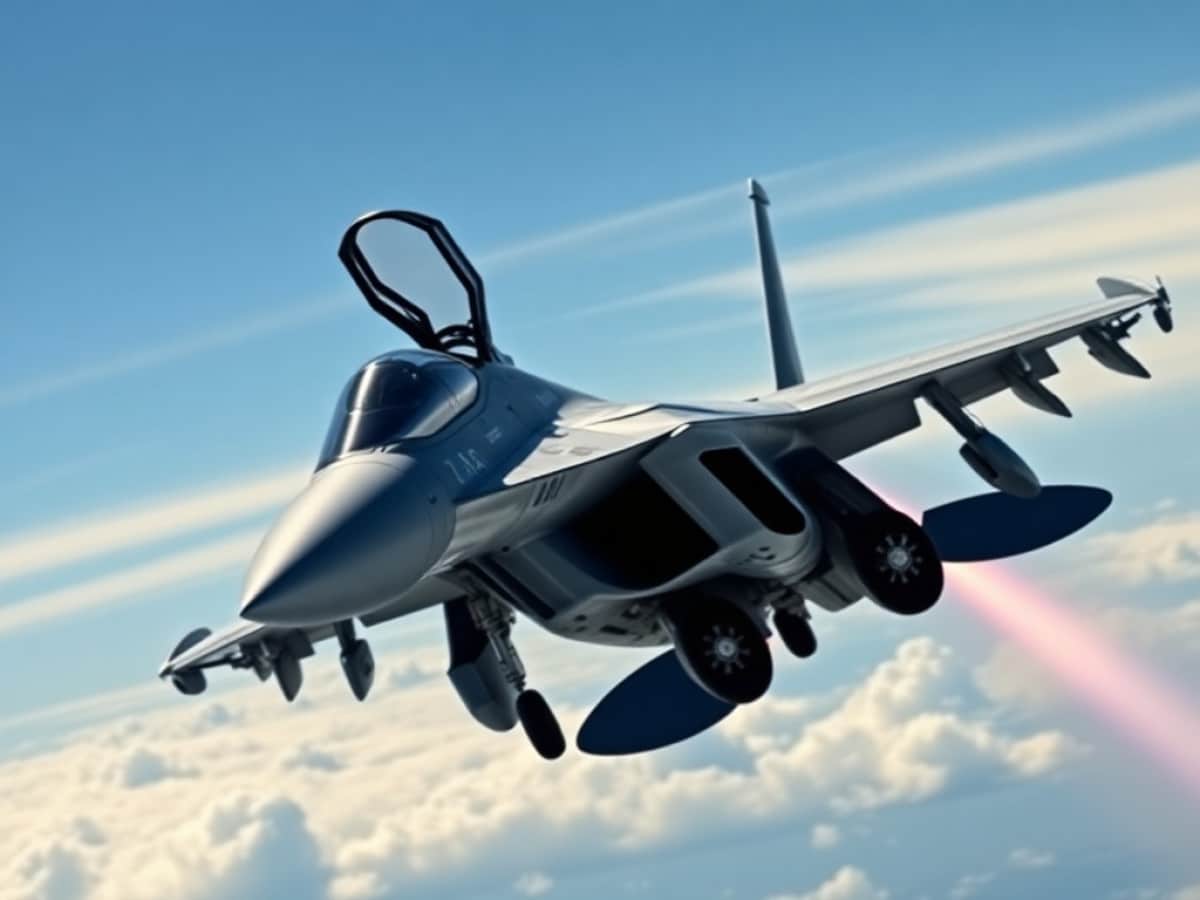
MANILA, Philippines — Despite some setbacks related to budget and contractual issues, Japan is actively expediting its partnership in the tri-nation GCAP fighter jet project with the U.K. and Italy. Industry experts believe these challenges are unlikely to affect the planned deployment year of 2035.
Amid these developments, Japan’s ruling party is pushing forward with initiatives to ease the stringent export controls on military hardware and technology. The specifics of how the government intends to navigate the financial hurdles remain undisclosed, yet it is anticipated that Japan’s National Diet will sanction the budget for these jets within the current month.
Previously, the parliament had relaxed some export restrictions under the Global Combat Air Programme (GCAP), and a complete overhaul of defense transfer policies is expected soon. This could potentially remove all existing barriers, enabling future exports even to nations currently engaged in conflicts.
This policy shift is also likely to pave the way for the delivery of 11 Mogami-class frigates to the Royal Australian Navy, a deal set to be concluded later this month by Defense Minister Shinjiro Koizumi.
In the realm of next-generation military aircraft, a delay has occurred in finalizing the contract between the three national governments, represented by the GCAP International Government Organisation (GIGO), and the industrial joint venture named Edgewing. This consortium includes national defense contractors BAE Systems, Leonardo, and Japan Aircraft Industrial Enhancement Co. Ltd., a collaborative entity of Mitsubishi Heavy Industries and the Society of Japanese Aerospace Companies.
Edgewing was expected to receive its initial design work contract by the end of 2025. However, this has been postponed due to delays in the release of the British Defense Investment Plan, which was supposed to provide the necessary funding.
This funding plan was initially due last autumn but has been deferred amid significant efforts to address budget shortfalls in the U.K., according to Shigeki Muto, a retired lieutenant general and former head of the Air Defense Command. Muto noted that these delays in contract signings between GIGO and Edgewing “indicate uncertainty in financial commitments in design and organizational setup,” which could hinder substantial investments from Edgewing.
Nevertheless, Muto believes the delays imposed by the U.K. are manageable and might only impact prototype production timelines by a few months, or possibly a year.
“At this point, this scenario should be seen as a phase of budgetary adjustment rather than a fundamental crisis,” he added.
GCAP stands as Japan’s most costly defense project and marks its first international co-production endeavor with European allies. Aimed at replacing the F-2 fighters of the defense forces, any compounded delays with the new aircraft could potentially create operational gaps, as highlighted by retired Lt. Gen. Eiichirou Fukazawa, a former commander of the Northern Air Defense Force.
“Given the escalating military capabilities of China, any delays in introducing new combat capabilities could negatively impact Japan’s overall defense posture,” Fukazawa commented.
While costs have reportedly tripled, it remains unclear whether the Japanese government under Prime Minister Sanae Takaichi will increase this year’s GCAP budget, originally set at 700 billion yen ($4.44 billion) for initial research and development from 2023 until 2027.
Experts argue that a significant upfront investment is justifiable to mitigate political backlash: Japan is expected to be the primary operator of GCAP, and the technology transfer involved in fighter development is likely to bolster the domestic defense industry, aligning with global expansion objectives.
Furthermore, assuming the initial financial burden may provide strategic advantages by facilitating “expanded access to technology, enhanced negotiating power for Japan, and increased leadership influence, which would be beneficial for future defense exports,” Muto explained.
The Japanese government has expressed general satisfaction with the GCAP program, according to Yoko Iwama, Professor at the Tokyo-based National Graduate Institute for Policy Studies, a state think tank.
“This partnership with the Europeans represents a new venture and a strategic shift from dependence on American systems—a perspective strongly influenced by experiences during the Trump administration,” Iwama noted.
Speculation has emerged that Germany may consider joining the GCAP project, though details are scant and discussions continue behind closed doors. Japan’s stance on Germany’s potential involvement will be carefully considered, taking into account various factors, but there is a prevalent concern in Tokyo that adding any new participant could delay the project’s progress.
“The government places high priority on adhering to the original development schedule and would likely view the participation of new players as undesirable,” stated Fukazawa.
Tom Kington in Rome contributed to this report.
Similar Posts:
- UK’s New GCAP Fighter Jet Gets Funding Boost: Britain Streamlines Finances for Advanced Warfare
- GCAP Fighter Jet Revolution: Multibillion-Dollar Contract Marks Major Advancement!
- Japan Sends Fighter Jets to NATO Bases: A Bold Move in Global Defense Strategy
- Madness Unleashed: Italy’s Crosetto Slams UK’s Secrecy Over GCAP Fighter Jet!
- Germany Joins GCAP: New Leonardo Boss Cautions on Timing

Jamal Peterson reports on defense, aerospace, and tech policy. With a military background and a strategic mind, he dissects complex subjects with clarity, offering readers sharp, reliable insights.