MANILA, Philippines — The defense procurement agency in Japan has entered into an agreement for the mass production of interceptor drones that are manufactured using 3D printing technology, aiming to build a substantial unmanned fleet by 2027.
The Acquisition, Technology, and Logistics Agency (ATLA) chose the Terra B1 model, a rocket-propelled interceptor drone, following a successful test last month with the Maritime Self-Defense Forces.
Developed by the domestic tech leader Terra Drone, the Terra B1 is designed as a domestic alternative to the Terra A1 model, which was previously deployed in combat scenarios in Ukraine earlier this year.
Details such as the number of drones ordered and the cost of the contract were not made public by ATLA.
In late May, the defense ministry issued a request for proposals to swiftly procure and deploy drones capable of intercepting single-use attack drones like the Shahed and anti-radar loitering munitions like the IAI Harpy.
This procurement process is noted as the quickest thus far, according to industry insiders, taking just three months to secure a decision, a significant reduction from the typical one to two-year timeframe seen in past procurements.
This rapid decision underscores the Japanese government’s intensified focus on enhancing 3D printing technology to meet defense requirements.
According to Toru Tokushige, CEO of Terra Drone, utilizing 3D printing technology streamlines and accelerates the design and prototyping phases, facilitating a quicker transition to mass production to fulfill contract obligations.
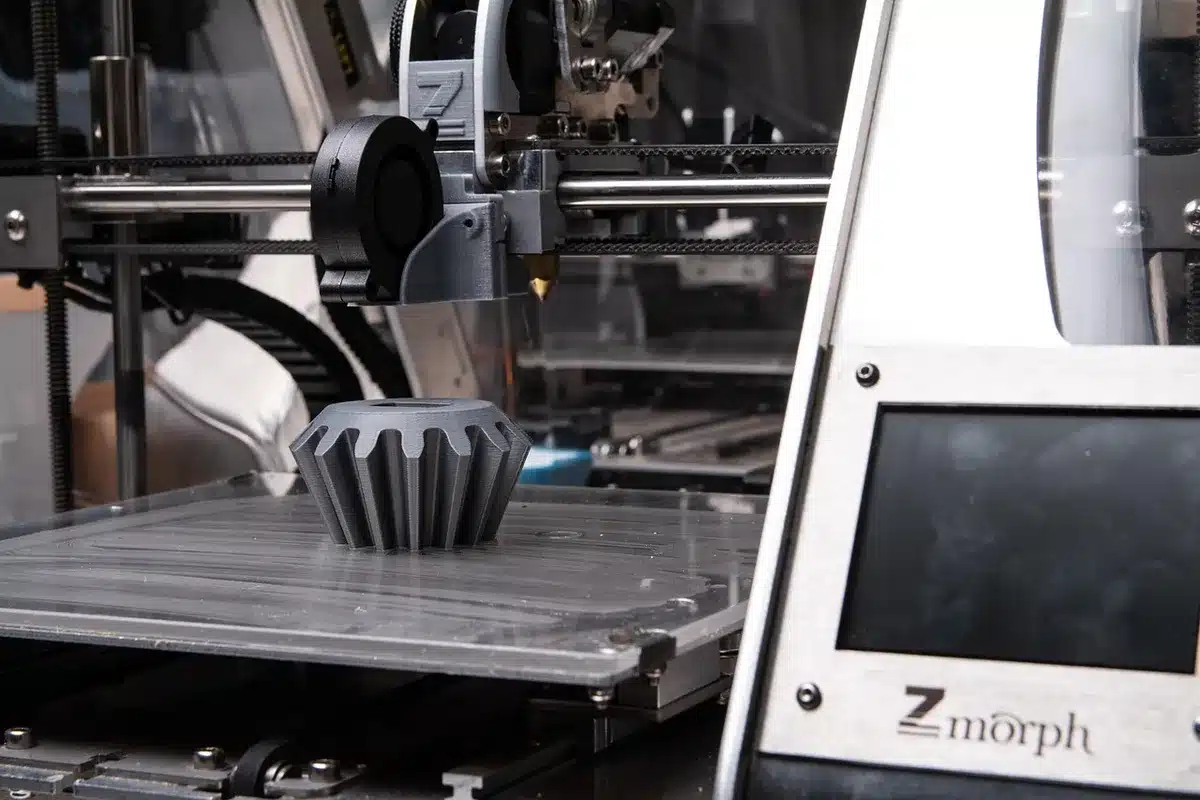
Moreover, the use of 3D printing not only reduces costs and speeds up production but also provides flexibility to modify the drones to address emerging threats and adapt to the rapidly evolving drone technology landscape without delaying deployment schedules.
Terra Drone is also looking to decentralize its production across various sites, and eventually, expand to local printing hubs. This strategy is a safeguard to ensure production continuity even if one facility is compromised.
“Should one of our production sites be targeted by an attack, such as from a Shahed-type drone, this decentralized approach would greatly diminish the risk of a complete disruption to our supply chain,” explained Tokushige.
Since 2012, when the U.S. Army and Navy first deployed 3D printers in the field, the technology has revolutionized military and defense logistics. In Ukraine, the use of printing farms has become essential on the front lines, producing drone components and various tools to aid military units in the ongoing conflict.
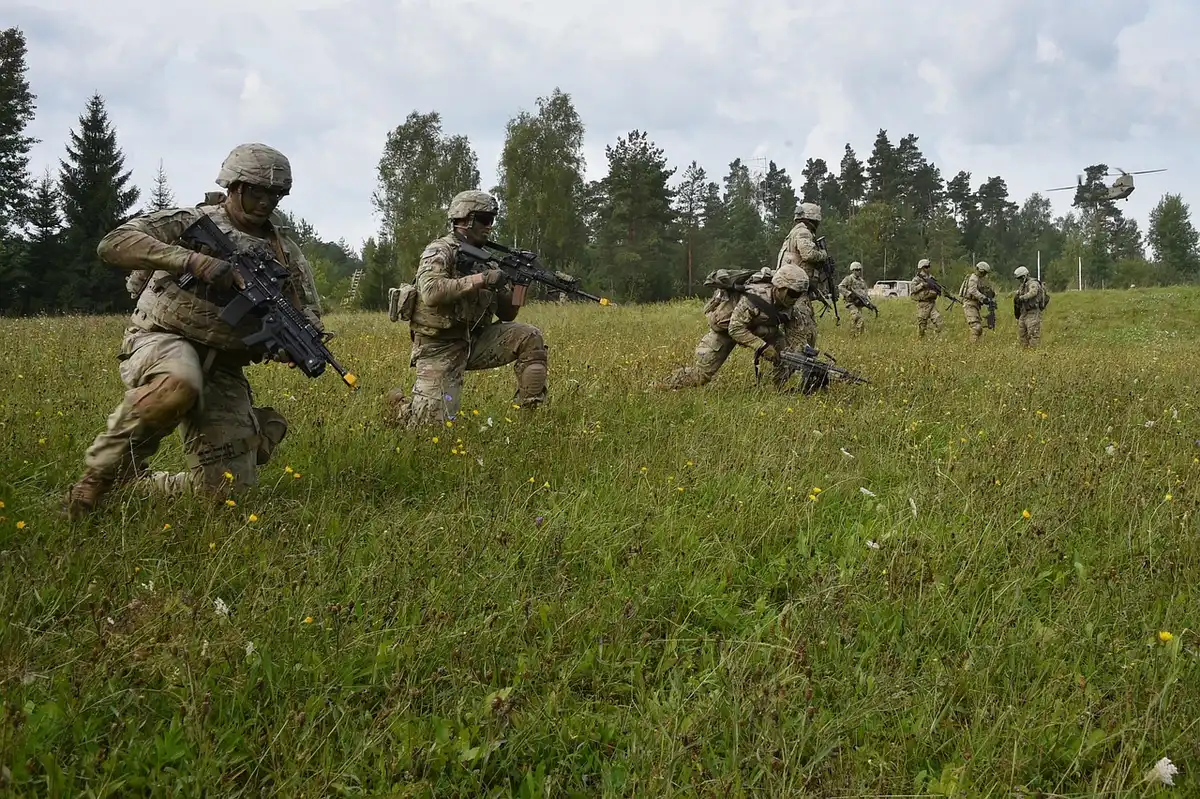
The embrace of this technology by Japan’s defense ministry represents a significant shift in the defense sector, potentially challenging the industry’s ability to keep up with the government’s export ambitions and growing international demands.
“3D printing is more than just a method to cut down on manufacturing costs. It promises to transform Japanese defense production into a quicker, more adaptable, and more robust manufacturing paradigm,” stated Tokushige.
Similar Posts:
- Japan Embraces Interceptor Drones: Joins Global Defense Trend
- Interceptor Drones Revolutionize Air-Defense: Ukraine Gains Economic Edge
- Cummings Enhances Hellhound Drone Capabilities for Critical Golden Dome Operation
- Ukrainian Unmanned Vessel Destroys Shahed Drone: A First in Maritime Warfare!
- Ukraine Launches 25,000 Robots for Frontline Tasks: Reducing Soldier Risk in Combat Zones

Jamal Peterson reports on defense, aerospace, and tech policy. With a military background and a strategic mind, he dissects complex subjects with clarity, offering readers sharp, reliable insights.