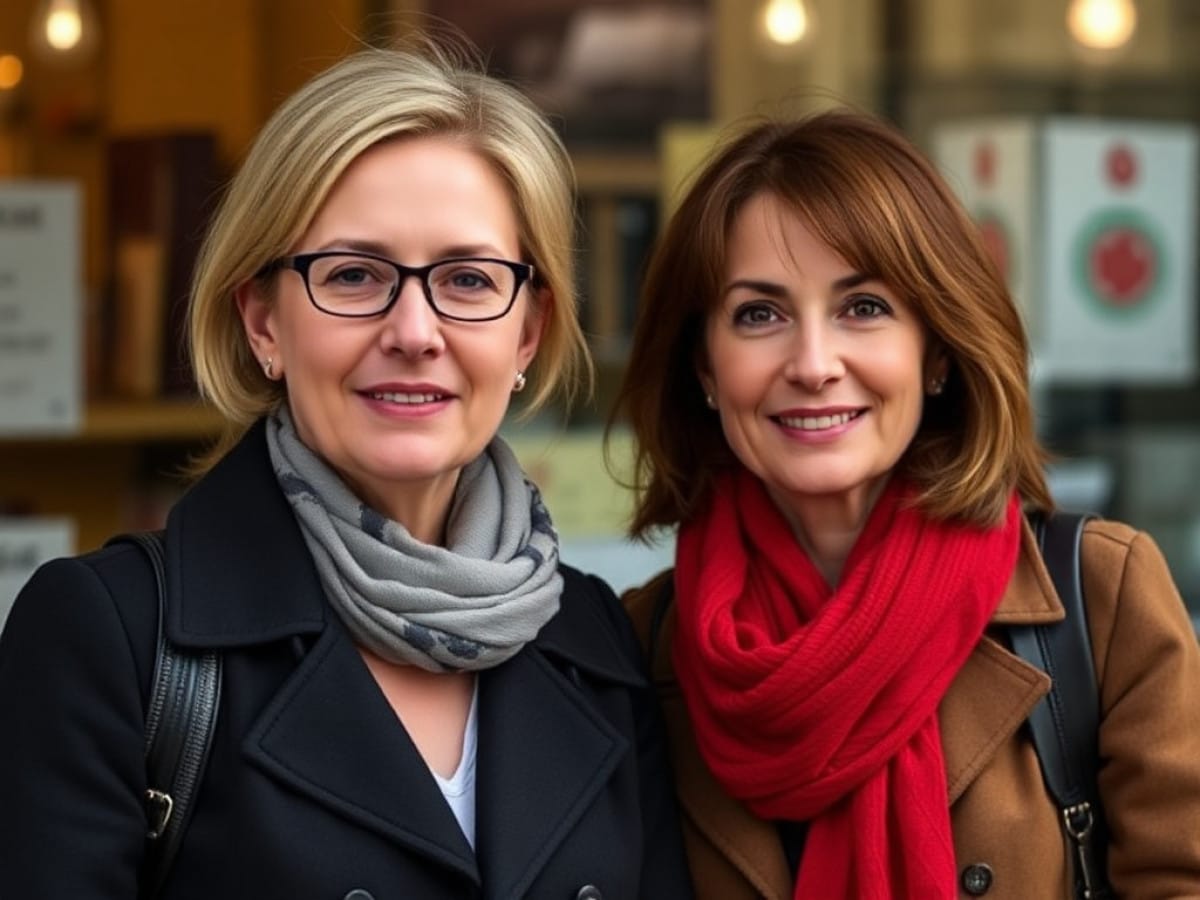
Two women who have spent the majority of their lives in the UK are now struggling to secure British citizenship due to their unique familial circumstances. Both women were born to British fathers who were not married to their French mothers at the time of their birth.
Current Border Control Policies Affect Dual Nationals
Due to recent changes in border control regulations affecting dual nationals, these women face significant challenges. The new policies require dual nationals to present a British passport or a certificate of entitlement to abode, which costs £589, to enter the UK. This has caused considerable disruption for many, including those who, under older laws, were not automatically granted citizenship because their British fathers were not married when they were born.
Historically, children born in dual national families to unwed British fathers did not receive automatic citizenship. This legislative oversight was corrected in 2005, allowing children in similar circumstances to claim British citizenship based on their father’s nationality. However, this amendment did not apply retroactively to all individuals, creating complications for those born before 2005.
Individuals Caught in Bureaucratic Limbo
One of the affected individuals, Dawn, born in 1977 to an unwed British father and a French mother, found herself in a predicament when her passport renewal was denied in 2018. The denial was due to her inability to provide a French passport under her married name, as France issues passports using birth names only. Dawn, who has lived in the UK since she was five and worked for the Ministry of Defence, was unaware of the potential issues until the new border rules came into effect in early 2022.
When Dawn approached the Passport Office for clarification, she found her life turned upside down. The immigration officials concluded she was not British, claiming the passports issued to her previously were done so in error, citing her status at birth as ‘illegitimate’. Now, Dawn has resorted to crowdfunding to raise the £1,735 needed for her citizenship application, vowing to refund the donations if the Home Office resolves her case.
The other woman, a mental health professional born in Manchester in 1999 to similarly unmarried parents, has had to undertake steps such as fingerprinting and attending a citizenship test in her hometown. Despite holding court documentation affirming her right to abode, she has always possessed a French passport, which hadn’t been an issue until the recent changes.
Both women have expressed frustration at the financial and emotional toll the process has taken, emphasizing the outdated nature of the laws that have placed them in this challenging position.
Call for Reform and Better Support
Simon Cox, an immigration barrister, criticized the Home Office for its lackluster support and the bureaucratic hurdles that citizens must navigate. He highlighted the need for customer-focused support lines that could guide citizens through these complex processes.
The Home Office’s approach has been described as heavy-handed and dismissive of the needs of British citizens, prioritizing bureaucratic procedures over the well-being of individuals. Despite repeated outreach, the Home Office has yet to provide a satisfactory response to these issues.
As these women and many others navigate the complexities of British citizenship laws, the need for more empathetic and effective governance is clear. Their stories underscore the ongoing challenges faced by those caught in the crosshairs of outdated legislation and rigid administrative systems.
Similar Posts:
- UK Travel Alert: Older Passport Holders May Face Boarding Issues to Scandinavia
- U2’s The Edge Finally Claims Irish Citizenship After Over Six Decades!
- US Soldier Arrested With Grenades at Tanzania Border: Police Uncover Shocking Details
- HMRC Halts Child Benefit Crackdown: 23,500 Families Impacted by Data Blunder!
- Marriage vs. Single Life: Global Studies Reveal Health and Mortality Differences