In the isolated town of CHURCHILL, Manitoba, a dynamic shift has occurred where the forested tundra kisses the Hudson Bay shores. The town’s economic pillars crumbled when the military presence was withdrawn. Essential transport links like rail and maritime shipping, critical for a town unreachable by roads, faltered. Climate change has ushered in warmer conditions, reducing iconic wildlife populations and even altering the landscape beneath the town’s feet.
Despite these challenges, Churchill has evolved, pivoting to tourism centered around its famous polar bears, and revitalizing its port and railway infrastructure. The town is also innovating in construction to accommodate the changing environment, diversifying its tourism offerings to prepare for potential decreases in polar bear numbers.
Local officials, residents, and experts view Churchill as a beacon of adaptability, crediting the community’s rural resourcefulness that focuses on solutions rather than complaints.
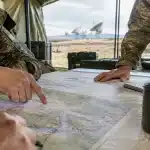
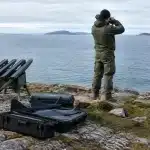
Located about 1,700 kilometers north of Winnipeg, Churchill was once bustling with activity from its military bases and vibrant port, all of which declined after their closure. The decay led to a suspension of train services when the tracks were damaged by severe weather. The town’s population dwindled, and polar bears, no longer deterred by the human activity and driven by shrinking ice platforms essential for hunting due to climate change, began to frequent the town more.
______
EDITOR’S NOTE: This article is part of a series exploring how Indigenous communities are addressing and adapting to climate change.
______
An inventive local mechanic devised secure ways to observe bears, leading to a surge in tourism driven by photo and film documentaries. Tourists now spend an average of $5,000 per visit. Proudly known as the polar bear capital of the world, Churchill boasts high-end dining and numerous small hotels despite lacking basic traffic infrastructure like stoplights.
Churchill is bracing for the day when polar bears might no longer be the main attraction. The town is promoting alternative tourism attractions such as beluga whale watching, the northern lights, bird watching, and dogsledding experiences. However, these too are threatened by ecological shifts in the Hudson Bay ecosystem, affecting the entire food chain.
Mayor Mike Spence, who has led the town since 1995 and witnessed its transformation from a military hub to a wildlife haven, emphasizes the importance of adaptability. “You can’t dwell on the losses; instead, you adapt and find new opportunities,” he comments.
After the port shut down and the railway fell into disrepair, the town took control, repairing and reopening both. Innovative building techniques are being employed to deal with the increasingly unstable permafrost, exemplified by the adjustable foundations used in new constructions like those of Polar Bears International’s headquarters.
Lauren Sorkin of the Resilient Cities Network praises Churchill for its proactive strategies in adapting to climate-induced economic and environmental changes, highlighting the town’s forward-thinking approach to sustainability and community protection.
Spence, who is Cree, recalls his upbringing in a predominantly white-run town without modern amenities. He believes his leadership is fulfilling his father’s legacy by actively solving the town’s issues. “You don’t just complain about problems; you bring solutions,” he asserts.
Churchill remains remote, accessible only by rail, sea, or air. The rail, once leased to a private firm which failed to maintain it, suffered significant damages during a particularly harsh spring in 2017. It took 18 months and a change in ownership to the Arctic Gateway Group—a collective of 41 First Nations and northern communities—to restore service.
Local control has been crucial in Churchill, as emphasized by former resident Dave Daley. When large hotel chains proposed developing the town, the community rejected them, preferring to maintain their unique way of life and manage their own affairs.
Churchill’s complex history often surfaces through tourist inquiries, revealing stories of forced relocations, indigenous injustices, and social challenges. Daley, now a dogsled racer and community leader, focuses on teaching future generations the importance of looking forward and making positive changes rather than dwelling on the past.
Both Daley and Spence have noted the changing climate, with increased rainfall and thunderstorms, a rare phenomenon historically. They acknowledge the need to find the right strategies to adapt to these changes effectively.
___
Read more of AP’s climate coverage at
___
Follow Seth Borenstein on X at
______
Similar Posts:
- Polar Bear Capital Thrives: How a Community Lives and Loves Beside Predators!
- Stunning Photos Reveal: Churchill, The World’s Polar Bear Capital!
- Beluga Whales Heal Visitors: Playful Creatures in a Warming Hudson Bay
- Arctic Crisis: Polar Bears, Ice, and Fat Under Threat – Vital Ecosystems at Risk!
- Manitoba’s Essential Train Route: Now a Tourist Favorite Too!

Morgan Ellis is an investigative journalist passionate about environmental policy and corporate accountability. With a background in climate science and years of reporting for nonprofit media, Morgan brings depth, clarity, and purpose to every story.