Revitalizing Art Supplies at Creative Reuse Centers
In the world of art and creativity, the concept of “reuse” has taken on a vibrant new meaning. Creative reuse centers have emerged as a hub where previously used art materials find a second life, providing artists and educators with affordable resources. These centers are not just beneficial for wallets but also positive for the environment, helping reduce waste by repurposing items that would otherwise be disposed of.
A Treasure Trove of Materials
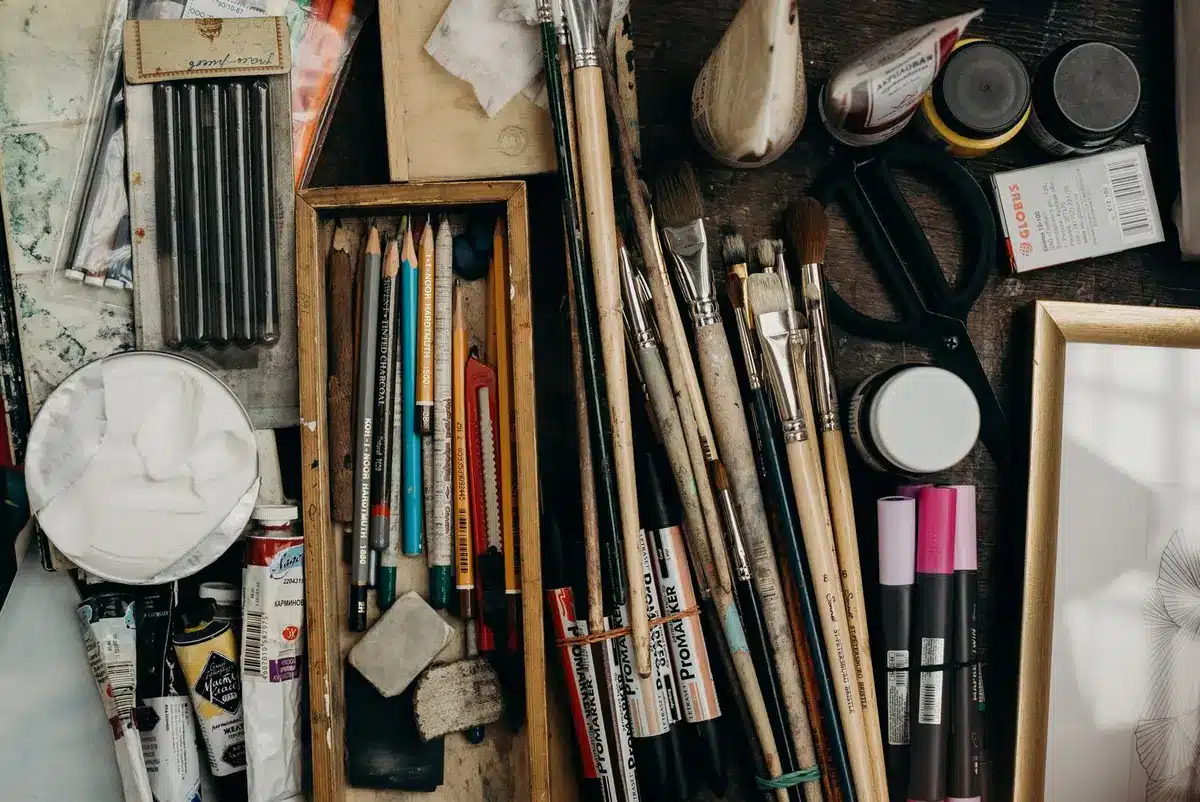
At a creative reuse center, one can expect to find a myriad of items, from traditional art supplies like paints and brushes to more eclectic items like old fabric samples, defunct technology parts, and leftover construction materials. These centers source their inventory from donations, often provided by businesses, manufacturers, or individuals who are looking to clear out unused or unwanted materials.
For example, a theater company might donate old stage backdrops, or a hardware store might provide surplus or slightly damaged goods. This creates a treasure trove of materials that can inspire creativity in entirely new contexts, all available at significantly reduced prices compared to traditional art supply stores.

A Hub for Environmental and Economic Benefits
Creative reuse centers operate on a model that offers dual benefits: environmental and economic. By diverting materials from landfills, these centers help lessen the burden on the environment. The repurposing of materials not only extends the lifecycle of products but also reduces the need for new raw materials, which in turn decreases overall manufacturing emissions.
From an economic perspective, artists, schools, and non-profit organizations stand to gain the most. Budget constraints can often limit the scope of creative projects or educational programs. By offering materials at lower costs, these centers enable broader access to necessary supplies, fostering a more inclusive atmosphere in the arts and education sectors.
Community and Education Centers
Beyond just serving as supply hubs, many creative reuse centers also function as community and educational spaces. They often host workshops, classes, and events aimed at teaching sustainable practices through art. These programs not only educate participants about the importance of recycling and reuse but also encourage them to think creatively about how everyday materials can be transformed into art.
Some centers also collaborate with local schools and community groups to develop tailored educational programs. This not only supports the local community but also instills a sense of environmental responsibility and creativity in younger generations.

Challenges and Opportunities
Despite their benefits, creative reuse centers face their own set of challenges. One major issue is the variability and unpredictability of supply donations, which can make it difficult to maintain a consistent stock. Additionally, awareness about these centers is still growing, and they can often be overlooked by potential donors and users who are not aware of their existence or their value.
However, the increasing focus on sustainability and responsible consumption presents significant opportunities for growth in this sector. As more people become aware of the environmental impact of waste and the benefits of reuse, the popularity and support for these centers are likely to increase.
In conclusion, creative reuse centers represent a vital part of the ecosystem for both the arts and the environment. They not only provide affordable materials to those who need them but also teach and inspire sustainable practices. As these centers continue to evolve, they hold the promise of fostering a more resource-conscious and creatively enriched society.
Similar Posts:
- Microplastics Alert: Your Garden Gear Could Be Harmful, Explore These Safer Alternatives!
- Pumpkin Waste Crisis: How Chefs and Farmers Combat Methane Emissions
- Revive Your Old Batteries: Discover the Safe Way to Recycle and Reuse!
- Clairton Coke Works Crisis: How the Next Generation is Learning Amidst Environmental Concerns
- Eco-Friendly Jeans: Uncover Which Brands Are Truly Sustainable!

Morgan Ellis is an investigative journalist passionate about environmental policy and corporate accountability. With a background in climate science and years of reporting for nonprofit media, Morgan brings depth, clarity, and purpose to every story.