US and UK Collaborate to Combat Underwater Drone Threats
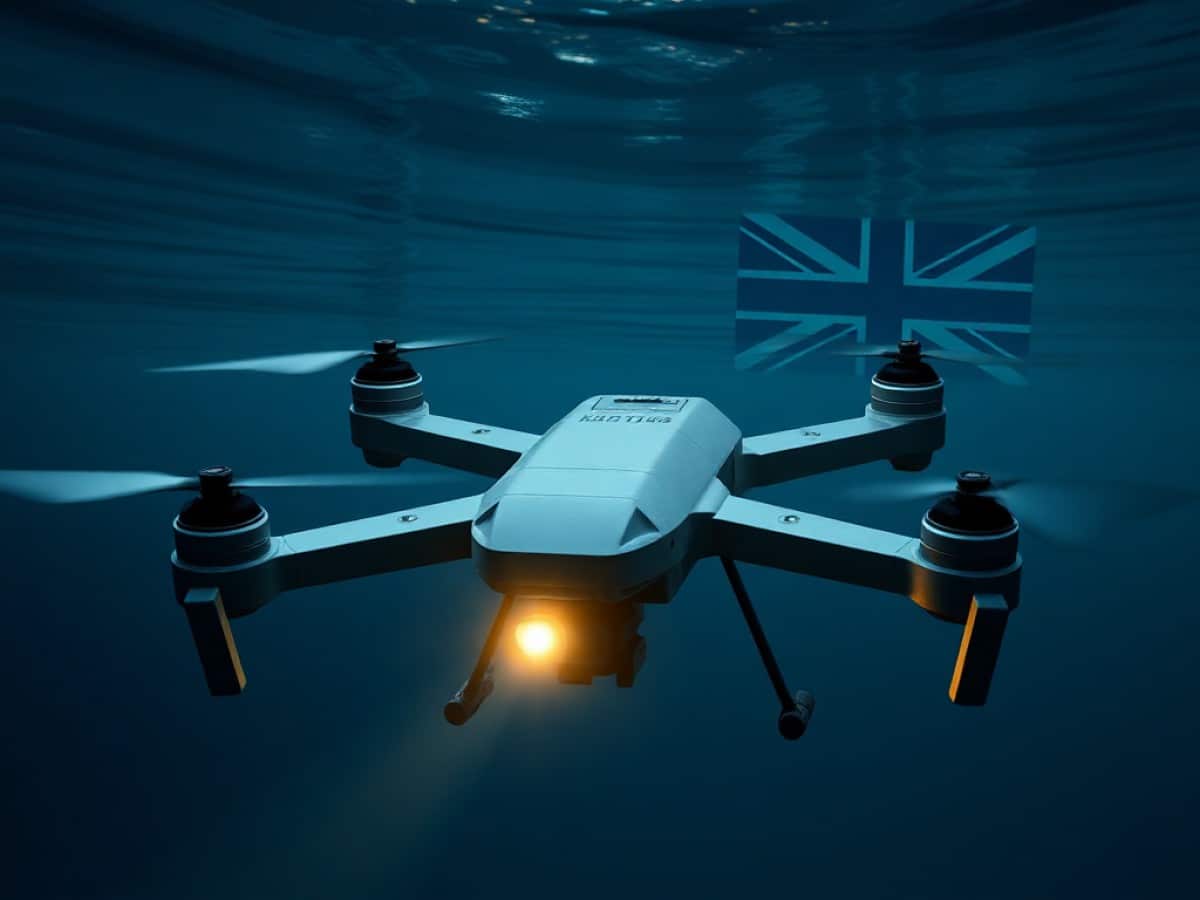
The United States and the United Kingdom are teaming up to address the risks posed by underwater drones to ports and other vital structures, a recent announcement from the Pentagon’s Defense Innovation Unit has revealed.
The collaboration aims to develop a robust array of commercial technologies capable of identifying and neutralizing various types of underwater machines, such as unmanned underwater vehicles (UUVs), remotely operated vehicles (ROVs), and semi-submersible crafts.
The solicitation highlighted the existing challenges with current defense solutions, noting that they are “fragmented, costly, and scarce.” The initiative, named the Robotic Exclusion and Engagement Framework (REEF), primarily seeks to safeguard ports and harbors against diverse and sophisticated underwater threats. Additionally, it aims to secure all critical waterways across the US.
The Defense Innovation Unit (DIU) is planning to integrate readily available technologies including sensors, edge computing, both active and passive sensors, sensor fusion, decoys, and other relevant technologies to create an integrated solution that can be deployed rapidly as required. This could involve stationary devices like anchored buoys and underground cables, or mobile units such as unmanned surface vehicles (USVs), UUVs, unmanned aerial vehicles (UAVs), and floating buoys.
It is essential for these sensors to incorporate artificial intelligence to distinguish between threatening underwater drones and non-threatening entities like marine life, commercial ships, and fishing boats.
The solicitation further specifies that the detection system must allow adequate time for human operators to make decisions, ensuring that threats can be intercepted or neutralized safely.
To counteract these drones, the system will utilize both kinetic and non-kinetic methods. Non-kinetic options might include deployable nets, bubble curtains, and synthetic barriers, while kinetic solutions could involve weapons, acoustic energy weapons, and physical engagement devices.
A preference for non-kinetic solutions was expressed, indicating a strategic direction towards less aggressive forms of interception.
Additionally, REEF will focus on utilizing decoys to safeguard waterways and essential infrastructure. The solicitation notes, “Capabilities to mislead enemy underwater vessels are particularly desirable, ranging from inexpensive expendable devices to more advanced systems that emit signals to act as decoys, thwarting the enemy’s objectives.”
The operation of REEF should require minimal training and utilize AI to offer operational suggestions. It needs to be compatible with existing US command-and-control frameworks and shared operational views.
The cooperative effort with the UK will be facilitated by a 2024 interim final rule from the Department of Commerce, which permits certain controlled items to be exchanged with the UK. This will benefit British firms, making them eligible for export control relief under General Export Authorization No. 001.
Similar Posts:
- U.S. Navy Concerned: Ballistic Missile Submarines Vulnerable to Drone, Rocket Attacks
- Iran Captures US Submarine Drone in Strategic Strait of Hormuz: Tensions Escalate
- US Marine Corps Chooses Northrop & Kratos: Pioneering Valkyrie Drone Wingmen Development
- Lockheed’s New Lamprey Drone: Clings to Ships Underwater, Revolutionizes Surveillance
- US Marine Forces in Pacific Concern China: New Report Reveals Tensions

Jamal Peterson reports on defense, aerospace, and tech policy. With a military background and a strategic mind, he dissects complex subjects with clarity, offering readers sharp, reliable insights.