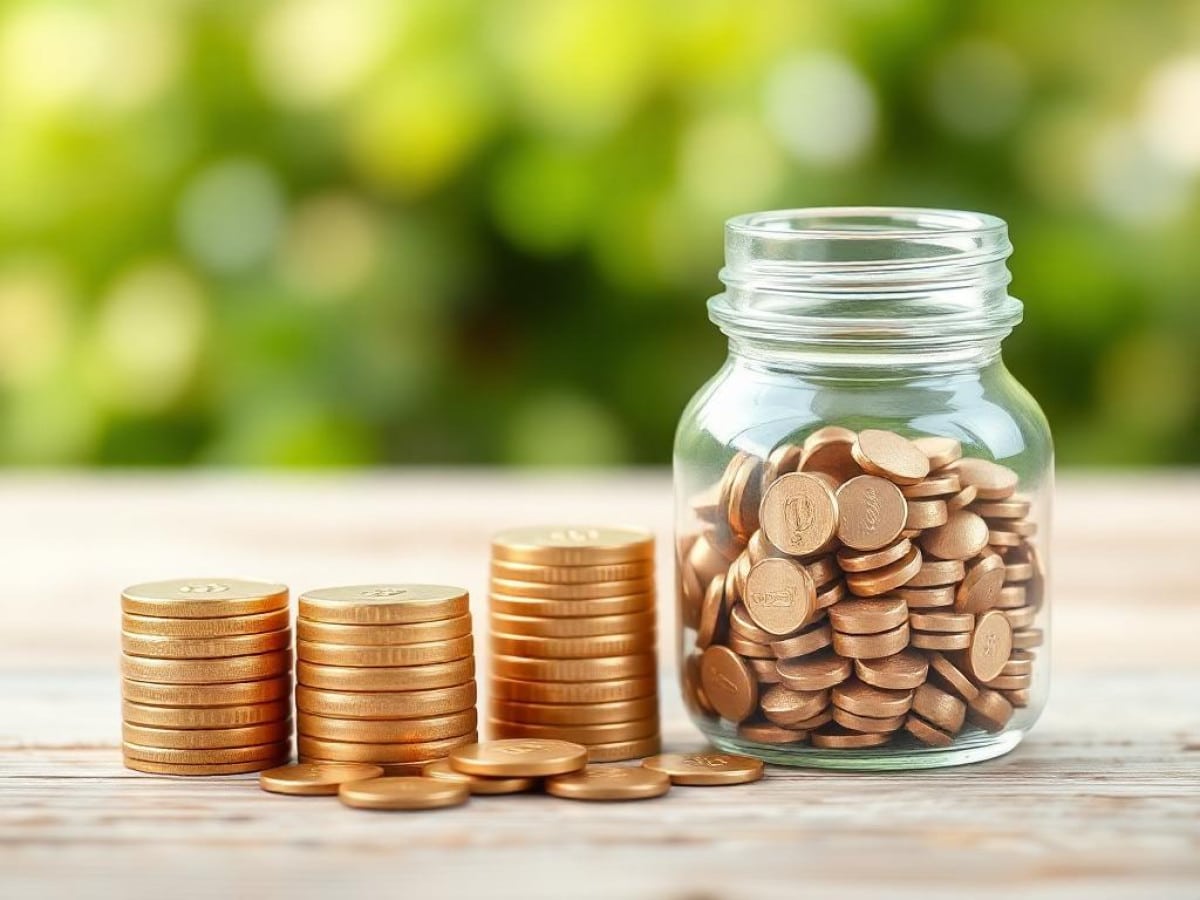
Experts suggest that having £2,000 saved can significantly decrease the likelihood of accruing debt. Even a modest amount of £200 can lessen the chances of missing bill payments.
Possessing £2,000 in savings can make you 60% less likely to miss payments on household bills and reduces your chances of encountering serious debt issues compared to those with minimal savings, according to recent findings.
A recent academic research highlights that £2,000 is a critical threshold in the effectiveness of savings as a preventive measure against financial difficulties.
For those who find saving such an amount daunting, it’s encouraging to know that even smaller amounts like £200 can also fortify one’s financial health, as discovered by researchers at the University of Bristol’s personal finance research centre.
Understanding the importance of savings is one thing; having concrete goals can motivate saving behaviors.
This research was initiated by the Building Societies Association to coincide with UK Savings Week, which promotes the development of robust saving habits regardless of one’s financial starting point.
Here are several strategies that can help you gradually build your savings without much hassle.
Maximize Your Savings Potential
A vast amount of money is often left in current accounts, earning little to no interest. It’s essential to keep sufficient funds to cover regular expenses, but surplus funds should be transferred to a savings account where they can earn interest.
Setting up a monthly standing order to a savings account right after receiving your paycheck, or transferring remaining funds at the end of the month into savings, can prevent these funds from sitting idle.
Consistently Save Small Amounts
Using tools like “roundup” apps, offered by many financial institutions, including traditional banks like NatWest and Lloyds, as well as newer entities like Starling and Chase, can facilitate automatic savings. These apps round up transactions to the nearest pound and deposit the difference into your savings.
Monzo’s premium accounts, for example, feature a “1p Saving Challenge” which incrementally saves pennies daily, resulting in significant accumulation plus interest over a year.
Develop a Savings Routine
Regular savings accounts often offer attractive interest rates. Typically, these accounts require a fixed monthly deposit over a set period.
Though not mandatory to deposit monthly, consistent contributions maximize benefits. For instance, saving £50 monthly at a 6% interest rate can help you surpass the £2,000 threshold in just over three years, assuming stable interest rates.
While some banks require having a current account, there are exceptions like Yorkshire Building Society’s 50 Pound Regular Saver, which offers a 6% interest rate and allows up to £50 monthly deposits without a pre-existing account.
This account can be opened both online and in physical branches.
Save and Possibly Win
Saving with a potential to win prizes can make the process more exciting. NS&I Premium Bonds are well-known in this category, offering monthly prize draws with awards ranging from £25 to £1 million, tax-free. The main drawback is the lack of guaranteed interest, making these bonds less resistant to inflation.
Innovative options like Coventry Building Society’s Sunny Day Saver and the Chip app’s Prize Savings Account also offer prize draws, enhancing the appeal of saving.
Gain from Government-Backed Savings
The Help to Save scheme supports low-income individuals by offering a 50% bonus on savings over four years. Eligible participants can save up to £50 monthly and receive substantial bonuses based on their savings amount.
Utilize ISAs for Untaxed Savings Growth
The government allows a substantial annual contribution to individual savings accounts (ISAs), which are exempt from tax on interest. Cash ISAs and Lifetime ISAs are among the options, the latter offering government bonuses for first-time homebuyers or retirement savings.
Search for Unclaimed Savings
You might already have savings in forgotten accounts. Services like My Lost Account and NS&I’s tracing service help reconnect people with their misplaced funds or premium bonds, ensuring that no money is left unclaimed.
Similar Posts:
- Boost Your Savings Now: Discover How Switching Your Current Account Can Help!
- Boost Your Child’s Future: Turn £50/Month Into £18,000 by Age 18 with Junior ISAs!
- Revolutionize Your Savings: Master the Art of Good Habits and Stay Motivated!
- Master Your Finances with the 50/30/20 Rule: A Stress-Free Money Management System!
- Unlock the Best UK Student Bank Accounts: Top Perks from Railcards to Dining Deals