Advancements in French Rocket Artillery
PARIS — France is nearing a pivotal decision regarding its future rocket artillery capabilities, as it evaluates homegrown weapon systems this month. These trials will soon enable a direct comparison with international alternatives, according to the country’s top armament official.
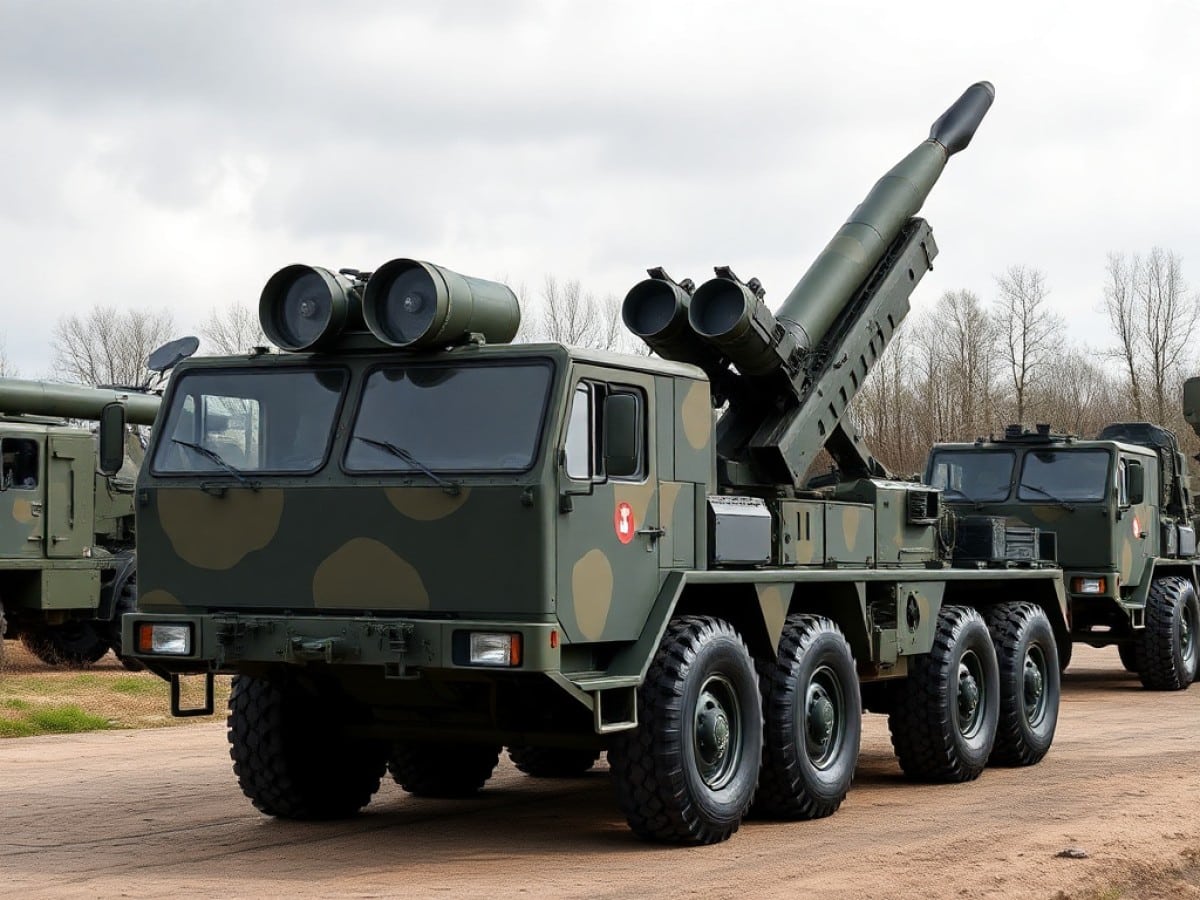
Patrick Pailloux, director of the Directorate General for Armament, reported in a recent parliamentary briefing that the initial trials of a new French-designed rocket artillery system conducted on Tuesday were successful. He noted that further tests are scheduled for the following week.
Domestic Development and International Competition
French companies such as Safran and MBDA, along with Thales and ArianeGroup, are collaboratively developing a local solution for rocket artillery. This initiative faces competition from several foreign systems currently in use by other European armies, including Hanwha Aerospace’s Chunmoo from South Korea, the PULS system by Israel’s Elbit Systems, and the American-made HIMARS from Lockheed Martin.
Pailloux emphasized the significant demand from the French Army for this capability, especially as a critical resource in the initial days of any major military engagement. The Army views this as a top priority, urging clarity on costs, timelines, and delivery schedules.
The French military aims to procure 26 of these systems along with 300 munitions, with the goal to fully equip a rocket artillery battalion by 2030. This is part of a broader effort to replace the existing nine units of the Lance-Roquettes Unitaire, an adapted version of the M270 system, which is expected to be phased out by 2027.
Pailloux highlighted the difficult decisions ahead concerning balancing national sovereignty with factors like cost efficiency and development speed. The choice will ultimately reflect a compromise that best fits the military’s needs.
Broader Defense Initiatives and Armament Upgrades
In addition to rocket artillery, France is progressing with plans for a land-based ballistic missile system capable of reaching up to 2,500 kilometers. This project, which has been allocated a budget of €1 billion ($1.2 billion) for its initial phase this year, is expected to feature a hypersonic glide vehicle. Pailloux pointed out that this technology promises the most favorable cost-to-performance ratio for military applications.
Although the target year for this ballistic missile capability is set for 2035, Pailloux admitted this timeline is not ideal. Efforts are underway to expedite development to potentially as early as 2030, which might initially exclude anti-jamming features to be incorporated later.
This year’s defense budget also includes plans to purchase over €6 billion in various munitions, such as SCALP cruise missiles, AASM guided bombs, Exocet anti-ship missiles, and air-defense and air-to-air missiles like MICA, Mistral, and Meteor. An additional €320 million is earmarked to boost industrial production where it is deemed necessary and beneficial.
Pailloux underlined the urgency of preparing for high-intensity conflicts anticipated by 2030, suggesting that a war of attrition could likely determine the victor based on remaining ammunition supplies.
Other notable projects include the development of the Rafale fighter jet’s future F5 standard starting this year. This entails a new Safran engine named T-REX with significantly enhanced thrust, comprehensive sensor upgrades including radar improvements, and accelerated development of advanced missiles like MBDA’s Stratus RS and the long-range Comet air-to-air missile, aiming for completion by 2030.
Additionally, efforts are being made to introduce the Chorus one-way drone, poised for a test flight by year-end. This drone, boasting a 3,000-kilometer range and a 500-kilogram payload, will be produced by automobile manufacturer Renault at a cost of €120,000 each, a figure Pailloux considers high but relatively economical compared to other munitions.
Similar Posts:
- France Considers Alternative Tank as MGCS Program Faces Delays: Defense Strategy Update
- Size Matters: KNDS Unveils Long-Barreled Artillery for Unmatched 60km Range!
- Norway’s $2 Billion Decision: Chooses Hanwha for Rocket Artillery Supply
- Greece Invests $4 Billion in Israeli Air Defense System: A Strategic Military Upgrade!
- US Secures $22.9 Billion Raytheon Deal: Boosting Tomahawk Missile Production!

Jamal Peterson reports on defense, aerospace, and tech policy. With a military background and a strategic mind, he dissects complex subjects with clarity, offering readers sharp, reliable insights.