HO CHI MINH CITY, Vietnam — The recent visit of U.S. Defense Secretary Pete Hegseth to Vietnam on November 2, which included meetings with Communist Party leader To Lam and Defense Minister Phan Van Giang, concluded without the anticipated formal agreements on arms transactions.
Hegseth expressed a positive outlook on military collaboration between the two nations, noting, “Deeper cooperation will benefit both of our countries,” before his discussions with Giang. Despite ongoing speculation over the past few years about Vietnam’s interest in diversifying its military inventory, primarily sourced from Russia, to include U.S.-made weaponry, no substantial declarations were made regarding major acquisitions. Additionally, efforts to reduce reliance on Russia as the primary arms supplier seem to have slowed, with reports suggesting that Hanoi continues to fund Russian arms purchases through profits from a shared oil venture.
The strategic importance of Vietnam in assisting the U.S. to counter China’s assertiveness in the South China Sea is well recognized in Washington. This visit by Hegseth marked three decades since the normalization of diplomatic relations between the two countries in 1995, and two years since the elevation of U.S.-Vietnam relations to a comprehensive strategic partnership. Following the lifting of the U.S. arms embargo on Vietnam in 2016, the U.S. has delivered three cutters to the Vietnamese coast guard and three T-6C trainer aircraft, with a total of 12 ordered.
Further deepening the ties, during Hegseth’s visit, the two nations signed a memorandum of understanding on cooperation regarding the legacies of war. Hegseth announced a $130 million commitment to aid in the cleanup of the toxic herbicide Agent Orange and the removal of unexploded ordnance, along with efforts to locate and identify remains of American and Vietnamese soldiers. These initiatives had been on hold following a freeze on U.S. Agency for International Development funds by the Trump administration earlier in the year.
At the conclusion of his discussions with Giang, Hegseth presented the Defense Minister with a leather box, knife, and belt that U.S. soldiers had retrieved from a Vietnamese bunker near Danang in 1968. Andrew Wells-Dang, a senior adviser to the nonprofit Mission: POW-MIA, commented that Hegseth’s visit underscores the ongoing partnership between the U.S. and Vietnam, despite existing tariff disputes. He emphasized the foundational role of addressing war legacy issues for the bilateral security relationship.
Nguyen Khac Giang, a visiting fellow at Singapore’s ISEAS-Yusof Ishak Institute, noted the positive steps in war remediation but highlighted the lack of progress in defense cooperation, particularly in arms sales. Despite talks and promises, concrete actions seem sparse.
Lam, the party leader, emphasized the significance of defense cooperation as a central component of the bilateral relationship, urging continued U.S. support for postwar recovery and substantive defense collaboration that respects Vietnam’s sovereignty and territorial integrity.
Stalled arms deals?
Despite the absence of public confirmations, there are indications that discussions on arms supplies are advancing. Sources familiar with the matter indicated that Hegseth’s visit was expected to focus on arms procurement, including potential acquisitions of Lockheed Martin C-130 Hercules cargo planes and helicopters from Boeing and Sikorsky. However, official comments from Lockheed Martin and the U.S. Embassy in Hanoi were not forthcoming, and the Vietnamese Embassy in Washington remained unresponsive to inquiries.
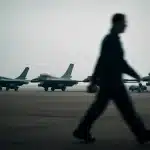
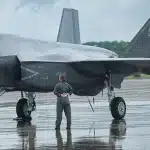
Earlier reports had suggested that Vietnam intended to purchase at least 24 Lockheed Martin F-16 fighter jets, but no progression has been noted. The potential C-130 transaction had surfaced after Giang’s visit to Washington last September, with further hints at the December Defense Expo in Hanoi. Ray Powell, a maritime transparency expert, expressed skepticism about the F-16 sales due to potential objections from China, noting that nonlethal cargo planes like the C-130 are less likely to provoke Beijing.
Russian arms reports
Reports have surfaced suggesting that Vietnam plans to continue purchasing Russian weapons using profits from Rusvietpro, a joint oil venture with Russia’s Zarubezhneft, bypassing international sanctions through alternative financial channels. The New York Times reported on plans to acquire $8 billion worth of Russian arms, including new fighter jets, although delivery has been delayed by Russia’s engagement in Ukraine. Leaked information also suggested upcoming deliveries of electronic warfare systems and radar-jamming equipment to Vietnam.
Despite the perceived lower quality of Russian weaponry, Powell highlighted the historical, financial, and possibly corrupt reasons behind Vietnam’s continued preference for Russian arms. Washington’s seeming indifference to these purchases underscores the geopolitical importance of Vietnam as a counterbalance to China in the region. Amid shifting U.S. policies, Nguyen Khac Giang observed signs of Vietnam reaffirming its alliances with traditional Cold War allies, despite the challenging dynamics of its relationship with the U.S. and its regional strategy against China.
Similar Posts:
- Vietnam Nears Completion of Military Installations in South China Sea: Strategic Shift?
- Germany Aims to Produce U.S. PAC-3 Interceptors: Boosting Global Defense Capabilities
- US-Philippine Alliance Strengthens: A New Task Force to Reinforce South China Sea Deterrence
- Typhoon Bualoi Strikes: Thousands Evacuated, Airports Closed in Vietnam
- Hegseth’s ‘Deal Team Six’ Vows to Slash Bureaucracy: Inside His Bold Plan

Jamal Peterson reports on defense, aerospace, and tech policy. With a military background and a strategic mind, he dissects complex subjects with clarity, offering readers sharp, reliable insights.