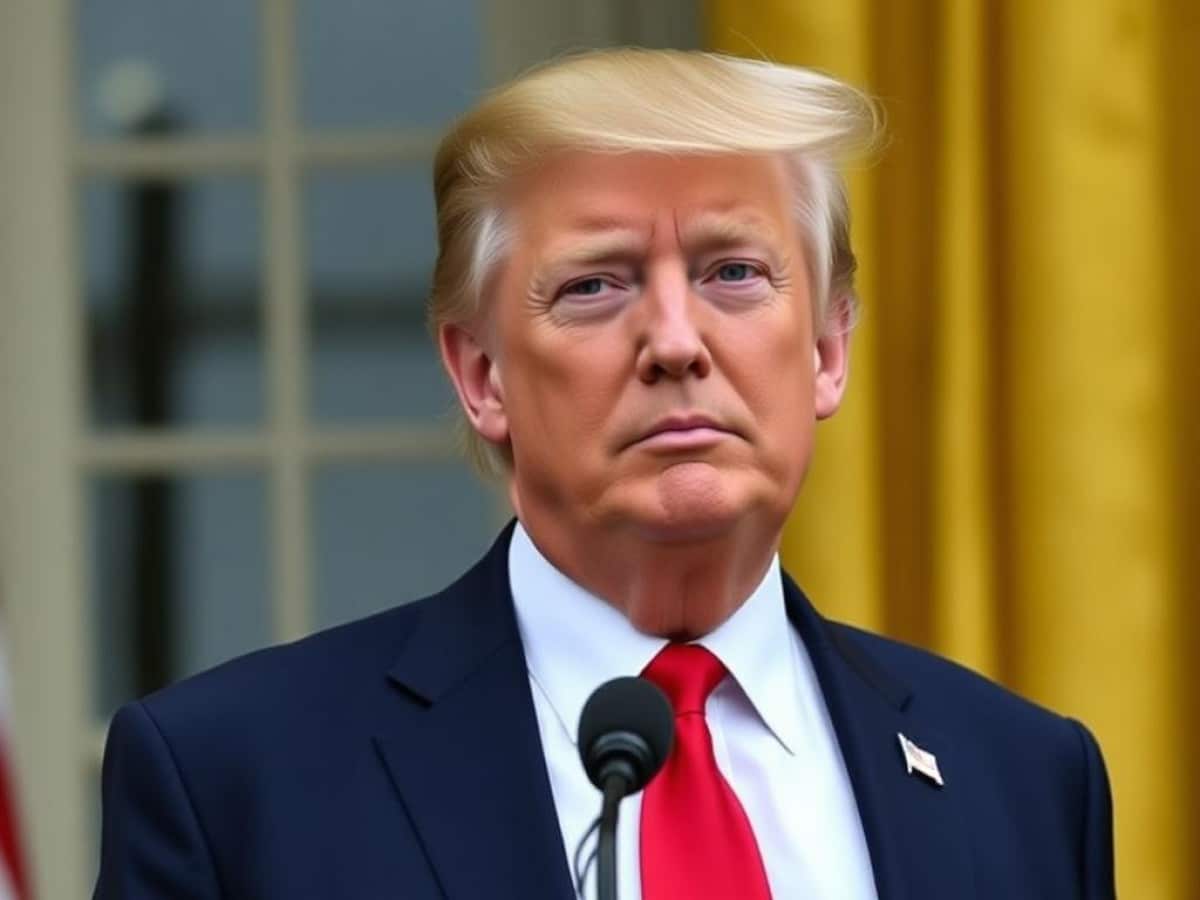
On Monday, U.S. President Donald Trump plans to welcome Ukrainian President Volodymyr Zelenskyy along with various European leaders to the White House for discussions aimed at resolving the ongoing three-year conflict in Ukraine instigated by Russia.
Despite ongoing diplomatic endeavors led by the U.S. to cease the conflict, significant progress has been elusive. However, following Trump’s recent meeting with Russian President Vladimir Putin last Friday, Trump has shifted his stance. He no longer insists on a ceasefire as a precondition for further negotiations. Instead, he now aligns with Putin’s view that talks should concentrate on achieving a long-term resolution.
The attendance of several European leaders underscores the significance of the discussions in Washington, not only for Ukraine but for broader European security issues as well.
Amidst heightened tensions and the backdrop of previous confrontations, this meeting also serves as an affirmation of support for Zelenskyy. Notably, Trump and Zelenskyy are scheduled for a private discussion without European counterparts before broader consultations.
According to Nigel Gould-Davies, a senior fellow for Russia and Eurasia at the International Institute for Strategic Studies, the implications of Trump’s policies on the Russia-Ukraine war are profound, potentially shaping the future security landscape of Ukraine and Europe at large.
Here’s an in-depth look at what to expect from the Washington meeting.
A Critical Juncture for Peace Negotiations
Following his meeting with Putin in Alaska, Trump is aggressively pursuing a diplomatic breakthrough. However, several contentious issues remain unresolved, including the potential cession of Ukrainian territory to Russia, the future of Ukraine’s military capabilities, and security guarantees against further Russian aggression.
In a recent social media post, Trump suggested that President Zelenskyy holds the key to ending the conflict swiftly, depending on his willingness to make concessions or continue the resistance.
Despite the ongoing dialogue, a comprehensive peace agreement remains distant.
Putin’s Demands and Ukraine’s Stance
Putin has expressed a desire for Ukraine to relinquish control of the Donbas region, a heavily contested area in eastern Ukraine. Additionally, Trump has suggested that Zelenskyy should recognize Russia’s annexation of Crimea, which occurred in 2014 and is considered illegal by the international community.
Nevertheless, Zelenskyy stands firm against these demands, upholding the Ukrainian Constitution which prohibits territory concessions. Consequently, the most feasible compromise might be a stabilization of the current front lines, which extend over 1,000 kilometers and encapsulate roughly 20% of Ukrainian territory under Russian control.
The Broader Implications for European Security
European leaders view Ukraine’s resistance as a critical defense against potential future Russian expansions into Eastern Europe. French President Emmanuel Macron emphasized that Ukraine acts as a defense outpost for collective European security against any further Russian advancements.
“Should we show leniency towards Russia now, we are setting the stage for future conflicts that will not only affect Ukraine but potentially spread across Europe,” Macron warned.
Key European figures expected at the meeting include Macron, British Prime Minister Keir Starmer, German Chancellor Friedrich Merz, Italian Premier Giorgia Meloni, Finnish President Alexander Stubb, European Commission President Ursula von der Leyen, and NATO Secretary-General Mark Rutte.
Ongoing Casualties and Military Engagements
As negotiations continue, the conflict persists with both sides engaging in daily long-range strikes. A recent Russian drone attack on Kharkiv, Ukraine’s second-largest city, tragically killed six individuals, including young children, and injured many others.
The Russian Ministry of Defense reported that overnight, their forces intercepted multiple Ukrainian drones over Russian territories and the annexed region of Crimea.
Contributions to this article were made by Associated Press writer Danica Kirka in London.
Similar Posts:
- Trump-Putin Summit at Alaska Base: Historical Site for Countering Russia
- US-Ukraine Intel Skyrockets as Kyiv Scores Big Wins: Everybody Loves a Winner!
- CIA Director Reveals: Russian Troops Last Only 20-30 Minutes in Ukraine Frontline Combat
- Ukraine Ready for Russian Retaliation After Drone Incident: Defense Minister Pistorius Confirms
- Ukraine Set to Deploy Advanced Ballistic Missiles: Combat Readiness Just Weeks Away

Jamal Peterson reports on defense, aerospace, and tech policy. With a military background and a strategic mind, he dissects complex subjects with clarity, offering readers sharp, reliable insights.