VIENNA — U.S. Considers Expanding Nuclear Deployment Within NATO
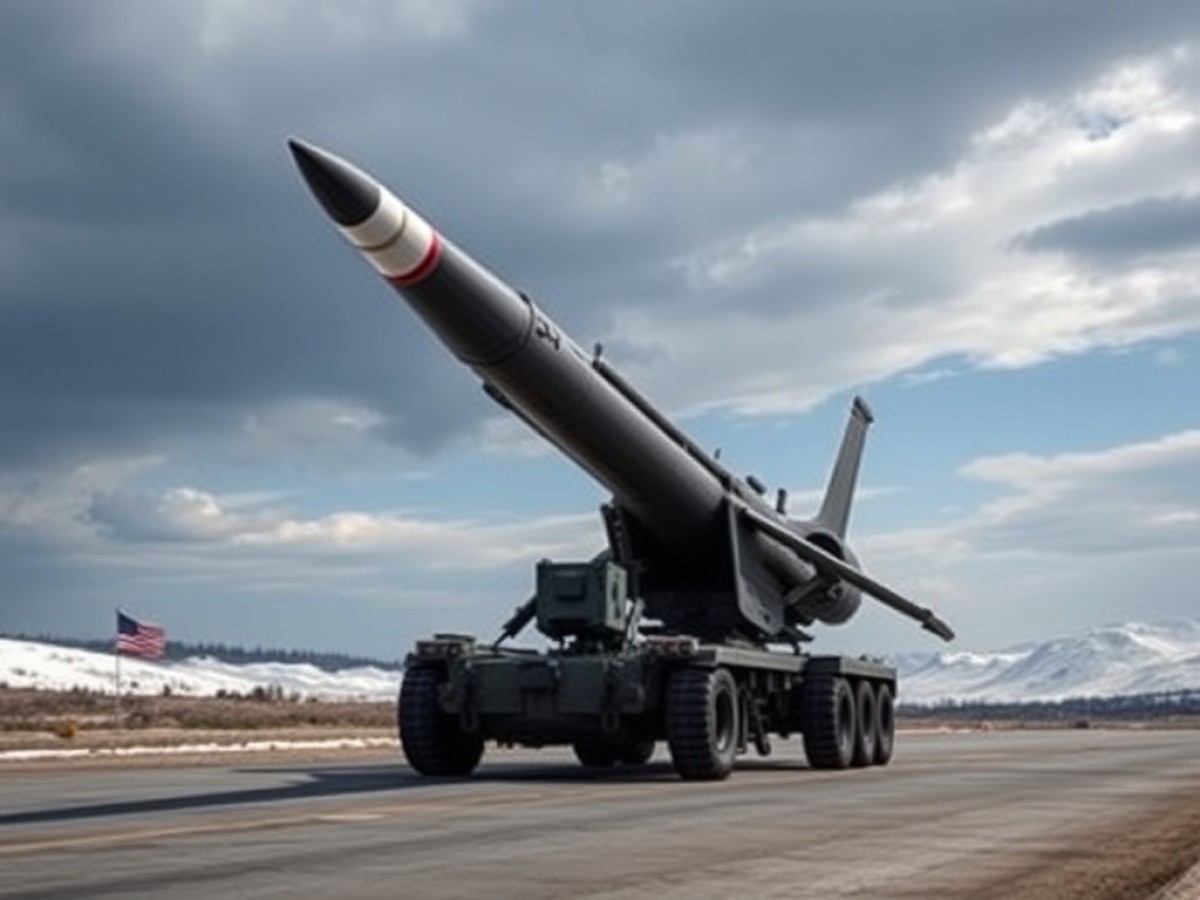
According to a recent report, U.S. officials are currently in talks within NATO about the potential deployment of nuclear weapons to additional countries in the alliance. This move, if realized, would significantly expand the scope of nuclear sharing among NATO members.
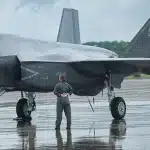
The Financial Times first broke the news on these discussions on Tuesday, referencing three anonymous sources who have been briefed on the matter. The focus of these talks is primarily on the potential deployment of dual-capable aircraft—military jets that are equipped to perform both conventional and nuclear missions.
These dual-capable aircraft (DCAs) play a crucial role in NATO’s nuclear sharing framework, which already includes U.S. nuclear bombs stationed at air bases in several countries including the Netherlands, Belgium, Germany, Italy, Turkey, and the United Kingdom.
Eastern European NATO Members Show Keen Interest
The report highlights that countries on NATO’s eastern flank, notably Poland and the Baltic states, have shown a strong interest in hosting these U.S. dual-capable aircraft. According to the Financial Times, these nations are particularly vocal about their position.
Poland, for instance, has been openly in favor of hosting nuclear weapons to act as a deterrent against Russia. The nation’s former president, Duda, had explicitly invited such deployments from the U.S. Although the new Polish government has slightly retreated from this stance, the topic remains a pressing and active discussion in Warsaw.
Furthermore, Poland has engaged with France’s “forward deterrence” initiative, which aims to extend the French nuclear protection over Eastern Europe. This agreement could potentially lead to the temporary deployment of French nuclear-capable jets to Poland in the future.
NATO Discussions Through Official Channels
The ongoing discussions about U.S. nuclear sharing are being conducted through official NATO channels, as reported by the Financial Times. This dialogue is part of a broader transformation within the alliance, characterized by a decreased emphasis on U.S. conventional forces in Europe and increased defense spending by European nations.
The discussions aim to alleviate concerns among European nations about being left to manage their defense independently, should the U.S. reduce its military presence on the continent.
While these talks are active, sources indicate that a decision to expand U.S. nuclear hosting within NATO member countries is not immediately forthcoming.
Similar Posts:
- Norway Joins French Nuclear Pact: Distrust in US Leads to Historic Alliance
- Germany May Use French, UK Nukes as Deterrent, Says Merz: A Bold Shift in Defense Strategy?
- Breaking News: Unveiling the Motives Behind China’s Bomber Flights Near Alaska in 2024
- Russia’s ‘Zapad’ Drill Sparks Fear in Europe: Concerns Rise Over Stealth Attacks
- Belgium Alarmed by Suspected Espionage: Drone Spotted Near Key Nuclear Base

Jamal Peterson reports on defense, aerospace, and tech policy. With a military background and a strategic mind, he dissects complex subjects with clarity, offering readers sharp, reliable insights.