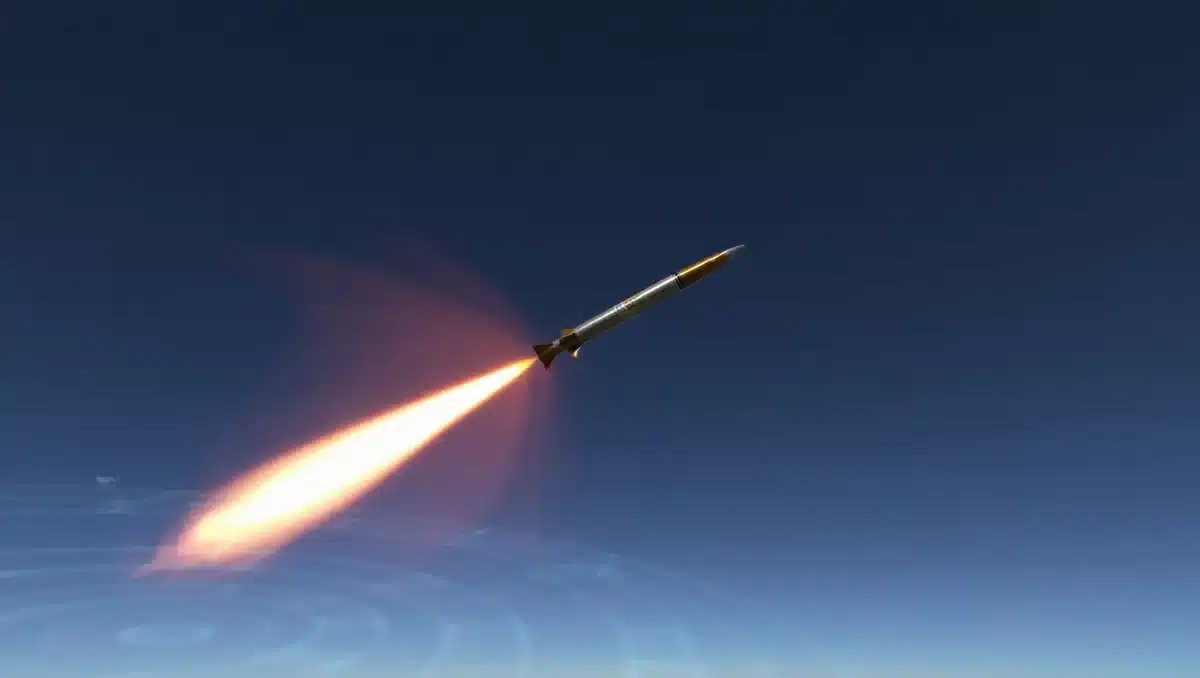
U.S. Air Defenses Engage Iranian Missiles Amid Concerns Over Missile Vulnerability
As the U.S. successfully intercepts missiles from Iran, there is growing apprehension at the Pentagon regarding the susceptibility of American missiles to foreign air defense systems.
In response, the Defense Advanced Research Projects Agency (DARPA) is advocating for the development of a hypersonic scramjet cruise missile designed to elude enemy defenses.
Challenges Posed by Advanced Air Defense Systems
DARPA has issued a Request for Information (RFI), with a deadline of October 6, indicating the significant challenges that future U.S. military operations may face due to the rapid development and deployment of sophisticated Integrated Air Defense Systems (IADS) by competing nations. These systems could potentially limit the operational capabilities of U.S. forces and reduce the efficacy of existing long-range strike methods.
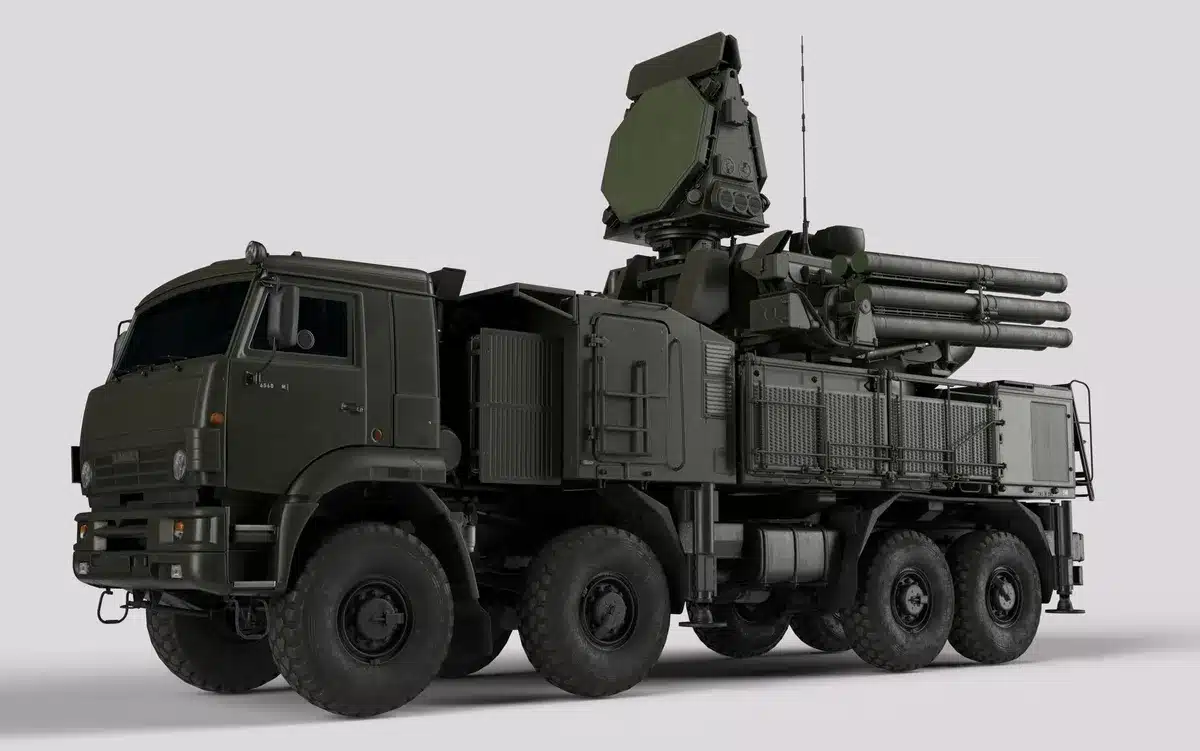
The initiative for a Next Generation Hypersonic Cruise Missile (NGHCM) is focused on creating a missile that is not only capable of surviving in hostile environments but is also cost-effective enough to be produced in large volumes.
DARPA’s announcement emphasized that the demonstration project must lay the groundwork for an advanced capability that significantly enhances performance in terms of range, cruising speed, or altitude. The agency is particularly keen on receiving input from non-traditional defense contractors and innovators in technology.
Strategic Focus Areas for Missile Development
The RFI outlines three primary areas of focus. The first concerns the missile’s overall design concept, questioning how the balance of advancements in basic parameters like payload, range, speed, and altitude can be achieved alongside other crucial factors such as midcourse maneuverability, detectability, or platform compatibility, to revolutionize mission effectiveness and survivability.
The choice of launch platforms for the missile is also under review, with possibilities ranging from tactical fighters and bomber mounts to surface-based launch systems and large-scale strategic defense platforms, which would leverage the benefits of an air-breathing cruiser approach.
Moreover, DARPA is pressing for a development timeline that eschews traditional slow-moving procurement processes in favor of a faster, more streamlined approach to achieve the first flight and subsequent milestones.
Technological Demonstrations and Testing Innovations
The second focus area includes the demonstration of various technologies such as air-breathing propulsion systems, high-energy density fuels, sophisticated booster technologies, heat-resistant materials, and efficient thermal management and power systems.
The third area aims to explore innovative testing methods for the missile, capable of covering missions ranging from 250 to 2000 nautical miles. While the RFI does not set specific speed requirements, it implies the need for hypersonic capabilities, typically defined as speeds exceeding Mach 5.
DARPA is also interested in a testing approach that minimizes visibility to avoid drawing undue attention.
The document mentions the development of advanced techniques for gathering critical flight data, which would facilitate rapid deployment and execution while maintaining a low profile in terms of testing indicators.
Russia has already deployed a hypersonic scramjet cruise missile, the 3M22 Zircon. These missiles have been used against Ukraine, which claims to have intercepted some with U.S.-provided Patriot defense systems.
Similar Posts:
- Northrop Unveils Tech for GPS-Free Hypersonic Navigation: Revolutionizing Future Flight Maneuvers
- Trump Projects $175 Billion Price Tag on Golden Dome Over Next Three Years
- DARPA Cancels Cargo Seaplane Program: Eyes New Tech Applications!
- US Navy Delayed: Hypersonic Missile Installation on Zumwalt Destroyers Falls 2 Years Behind!
- Revolutionary Laser Tech Unveiled: Inside the US Military’s Latest Defense System

Jamal Peterson reports on defense, aerospace, and tech policy. With a military background and a strategic mind, he dissects complex subjects with clarity, offering readers sharp, reliable insights.