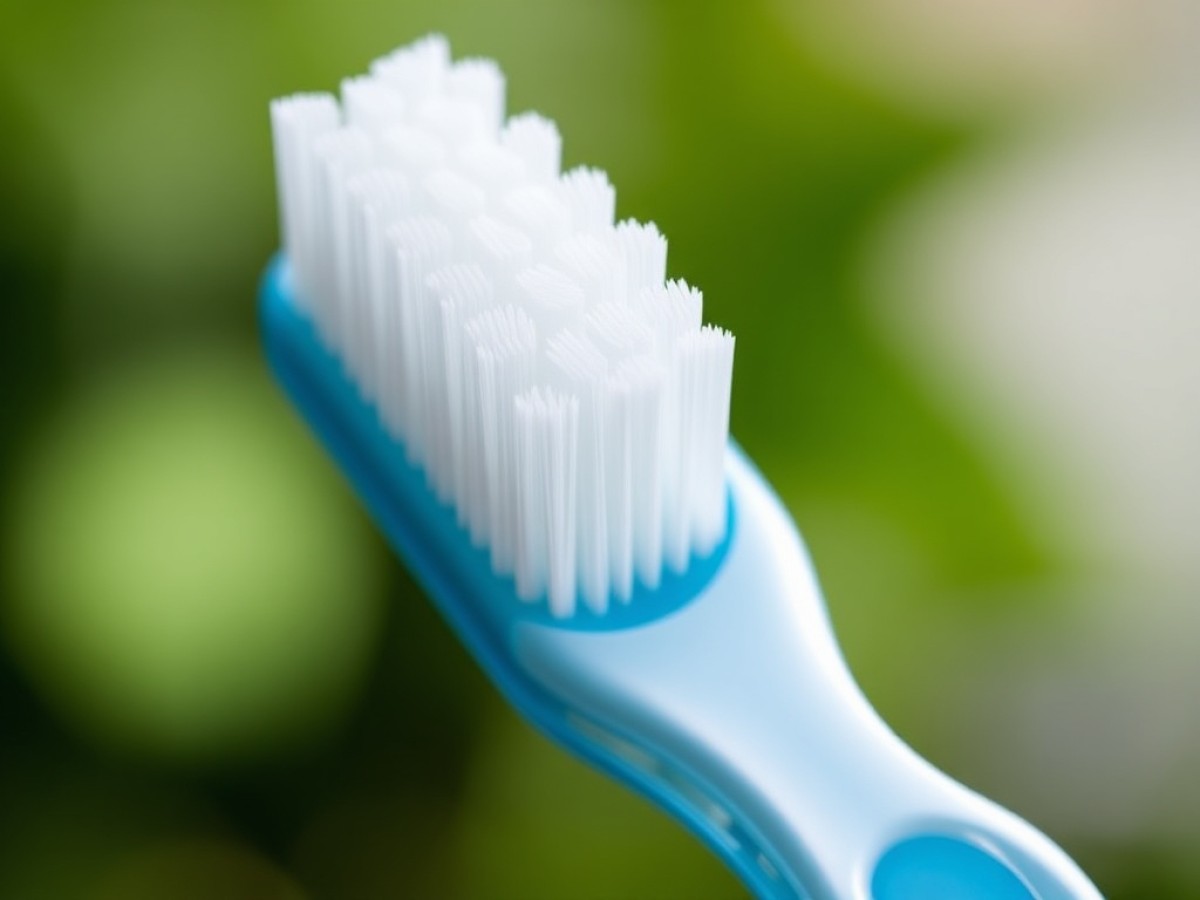
Simply rinsing isn’t enough: UNAM details how to keep your toothbrush clean and in good condition.
MEXICO CITY (apro).— Maintaining oral hygiene extends beyond just brushing your teeth. The University of Mexico (UNAM) cautions that toothbrushes can become a breeding ground for bacteria if not properly cleaned and stored, as they are exposed to microorganisms from the mouth and the environment from the first use.
University experts point out that the issues stem not only from daily use but also from accumulated moisture, the storage method, and proximity to areas like bathrooms, where environmental contamination is possible.
Analysis, context, and facts. Click and follow us on Google News
Why Toothbrushes Can Harbor Bacteria
Though toothbrushes are sterile upon purchase, they lose this sterility as soon as they are first used. By making contact with the oral cavity, they can collect microorganisms, organic residues, and moisture in their bristles.
Furthermore, storing them wet, in closed containers, or near a toilet can create conditions that are conducive to bacterial growth and other contaminants.
Proper Disinfection Techniques for Toothbrushes, According to UNAM
The main recommendation is that each toothbrush should be disinfected individually to prevent cross-contamination.
Various agents suitable for disinfection include:
- Mouthwash
- Chlorhexidine
- Dental cleansing tablets
- Hydrogen peroxide
- Other antimicrobial solutions
However, care must be taken when using certain chemicals as they can leave residues or irritate tissues if not thoroughly rinsed off.
After cleaning, it’s also crucial to eliminate excess moisture. An easy way to do this is to gently dry the brush with a clean towel, taking care not to damage the bristles.
The Most Common Mistake: Storing Wet and Without Ventilation
A common mistake is storing the toothbrush in a closed container or in a spot where it can’t air dry. Constant moisture promotes the growth of microorganisms and hastens the deterioration of the bristles.
Therefore, it’s best to store the brush upright, allow it to air dry, and ensure it doesn’t touch other brushes.
How Often Should You Replace Your Toothbrush
Another critical aspect is frequent replacement. Generally, a toothbrush should be replaced every three to four months, or sooner if its bristles are frayed, deformed, or worn out.
For those with dental issues, infections, or a high bacterial load, more frequent replacement might be necessary. For electric toothbrushes, it’s advised to regularly check and replace the head as needed.
Practices to Keep Your Toothbrush Clean
To minimize risks, experts recommend adhering to basic hygiene practices:
- Rinse the toothbrush thoroughly after each use.
- Store it upright.
- Allow it to air dry.
- Avoid sharing it.
- Keep it separate from other toothbrushes.
- Replace it regularly.
Proper Toothbrush Care Is Also Caring for Your Oral Health
Cleaning your toothbrush might often be overlooked, but it’s an essential part of a comprehensive hygiene routine. It’s not enough to just use it daily: keeping it clean, dry, and in good condition is vital.
The specialists’ advice is straightforward:
- Check how it’s stored
- Avoid excessive moisture
- Timely replacement can significantly impact oral care
Similar Posts:
- Should You Wash Chicken Before Cooking? UNAM Experts Weigh In
- Cold Weather Alert: Essential Tips for Keeping Pets Safe, Experts Recommend
- UNAM Creates Rapid HPV Test: A Leap Forward in Cancer Prevention
- Holy Week Alert: Tips to Avoid Getting Sick from Seafood Consumption!
- Maximize Produce Shelf Life: Discover the Best Storage Secrets!