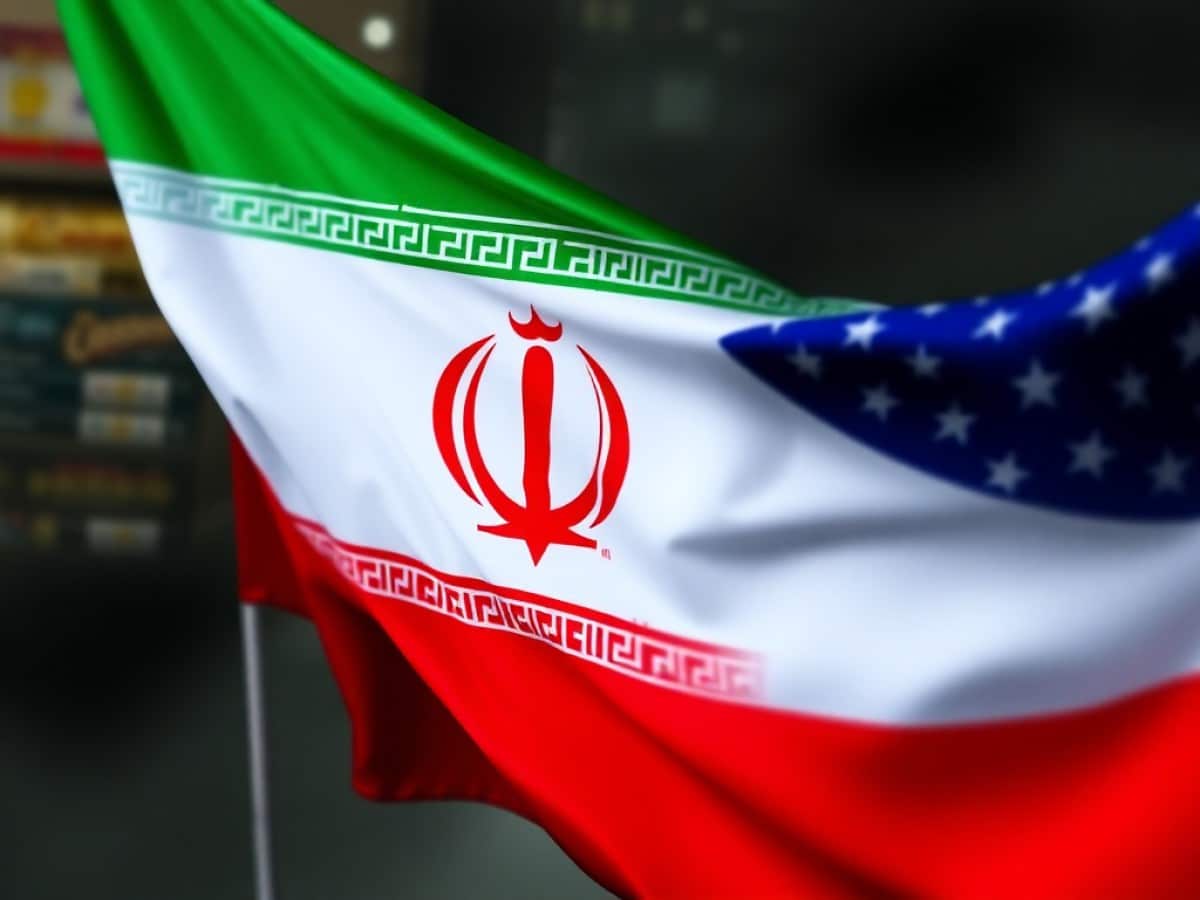
Iran has actively engaged in diplomatic efforts with Gulf nations, issuing a stark warning that it will target their oil, power, and water facilities if they do not influence Donald Trump to halt U.S. attacks on Iran and encourage negotiations to resolve the conflict.
This threat includes potential strikes on energy sectors, oil deposits, refineries, electrical networks, water systems, transportation infrastructures, and other vital assets of the U.S.’s key Arab partners, stated a high-ranking Iranian official.
After Trump’s threats on July 28 to target Iranian energy sites and infrastructure, this warning was communicated through numerous top-level diplomatic engagements. The aim is to prevent further American military responses by highlighting the possibility of significant economic setbacks across the Gulf, according to sources.
Key discussions involved Iranian Foreign Minister Abbas Araqchi, who spoke with his counterparts from Saudi Arabia, Turkey, Qatar, and with Pakistan’s army chief, as shared by two senior Iranian officials, two Gulf sources, and a well-informed regional diplomat, all who requested anonymity due to the sensitive nature of the information.
Araqchi pressed these Gulf allies to leverage their influence over Trump to deter further U.S. strikes, conveying the risks of retaliation against U.S. assets and crucial Gulf infrastructure if Iran were attacked, the senior diplomat noted.
He consistently emphasized in his discussions that while Iran is prepared to retaliate, a diplomatic resolution would be the superior option to prevent broader regional conflict and destruction, the diplomat recounted.
“The Iranian message was clear: if the U.S. attacked Iran’s critical infrastructure, they would respond by striking at the Gulf’s energy facilities and other regional sites,” one of the Gulf sources explained.
Iran’s diplomatic maneuvering aims to convert the vulnerability of the Gulf states into a bargaining chip, presenting them with the reality that any escalation in U.S.-Iran tensions could directly threaten their economic foundations.
Following these developments, Saudi Crown Prince Mohammed bin Salman reached out to Trump, advocating for a delay in military actions, a return to negotiation tables, a ceasefire, and a pursuit of diplomatic resolutions, as reported by the senior diplomat and Gulf sources.
The warning was directed at all Gulf states but primarily communicated through Saudi Arabia and Qatar. Over recent years, Iran has worked to mend ties with these nations, including its previously staunch adversary, Saudi Arabia.
Leaders from Qatar, Oman, and Saudi Arabia have all called on the U.S. to reengage in dialogue with Iran, warning that any new U.S. military strikes could lead to severe regional upheaval, the second Iranian official remarked.
On August 2, Trump mentioned he had decided to call off the attack on Iran, contingent on the possibility of quickly reaching a deal.
THREATS OF WIDER REGIONAL ESCALATION
“Saudi Arabia is convinced that further escalation will only result in more devastation,” stated the first Gulf source. “That’s why it has urged Trump to prioritize diplomatic solutions.”
While advocating for diplomacy, Riyadh has also made it clear that it will defend itself if threatened. Another Gulf source revealed that Saudi Arabia has warned that any attacks on its soil would trigger a military response.
Saudi analyst Ali Shihabi, who is close to the Royal Court, expressed that the kingdom believes further escalation is unlikely to yield the desired outcomes.
“The Kingdom views a mix of proportional military responses and consistent pressure on Iran in the Strait of Hormuz as the most effective means to reach a practical diplomatic resolution,” Shihabi stated.
Iran’s leadership has consistently called for the closure of U.S. military bases in the Gulf and urged Gulf Arab states to cease sharing intelligence with Washington, which it claims has been used to coordinate attacks against Iranian targets.
“They still recall the September 2019 drone and missile strikes on Saudi Arabia’s Aramco facilities at Abqaiq and Khurais, which temporarily disabled over half of the kingdom’s oil output and highlighted the vulnerability of Gulf energy infrastructure,” he added.
“The adversary continues to pose threats to Iranian infrastructure. Should Iran sustain damage, it will inflict much greater harm in return,” the Iranian official stated, referencing the list of potential targets including power grids and refineries.
From Tehran’s viewpoint, Trump is now faced with two difficult decisions: either escalate a conflict that could engulf the Gulf and disrupt global energy markets, or settle for a negotiated solution that does not meet Washington’s criteria for a clear victory, the senior Iranian official explained.
One major barrier to reaching an agreement, according to the senior regional diplomat, is Washington’s unwillingness to allow Tehran to claim any form of victory.
“The United States seeks a resolution that it can showcase as a definitive triumph in the conflict,” the diplomat concluded.
Similar Posts:
- Iranian Attacks Devastate US Military: Hundreds of Buildings, Dozens of Aircraft Hit
- US Intervenes to Shield Israel from Iranian Missile Strike: Tensions Escalate!
- Trump Signs Bold Executive Order: Commits to Defending Qatar
- US-Iran Blockade: Experts Warn of Major Military Challenges Ahead
- Iran’s Leader Declares ‘Full-Fledged’ War with US, Israel, Europe: Tensions Escalate

Jamal Peterson reports on defense, aerospace, and tech policy. With a military background and a strategic mind, he dissects complex subjects with clarity, offering readers sharp, reliable insights.